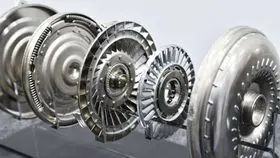
When a diesel turbo stops spooling the way it should, the whole engine feels weak. Acceleration slows down, the truck struggles under load, and fuel economy drops fast.
Many drivers think it’s just age or bad fuel, but a turbo that won’t build boost is sending a clear warning. Understanding these symptoms early can save you from costly repairs and keep your engine running strong.
In this guide, you’ll learn the signs of a turbo that isn’t spooling, what they mean for your engine, and the steps you can take to bring your full boost power back.
What “Not Spooling” Really Means
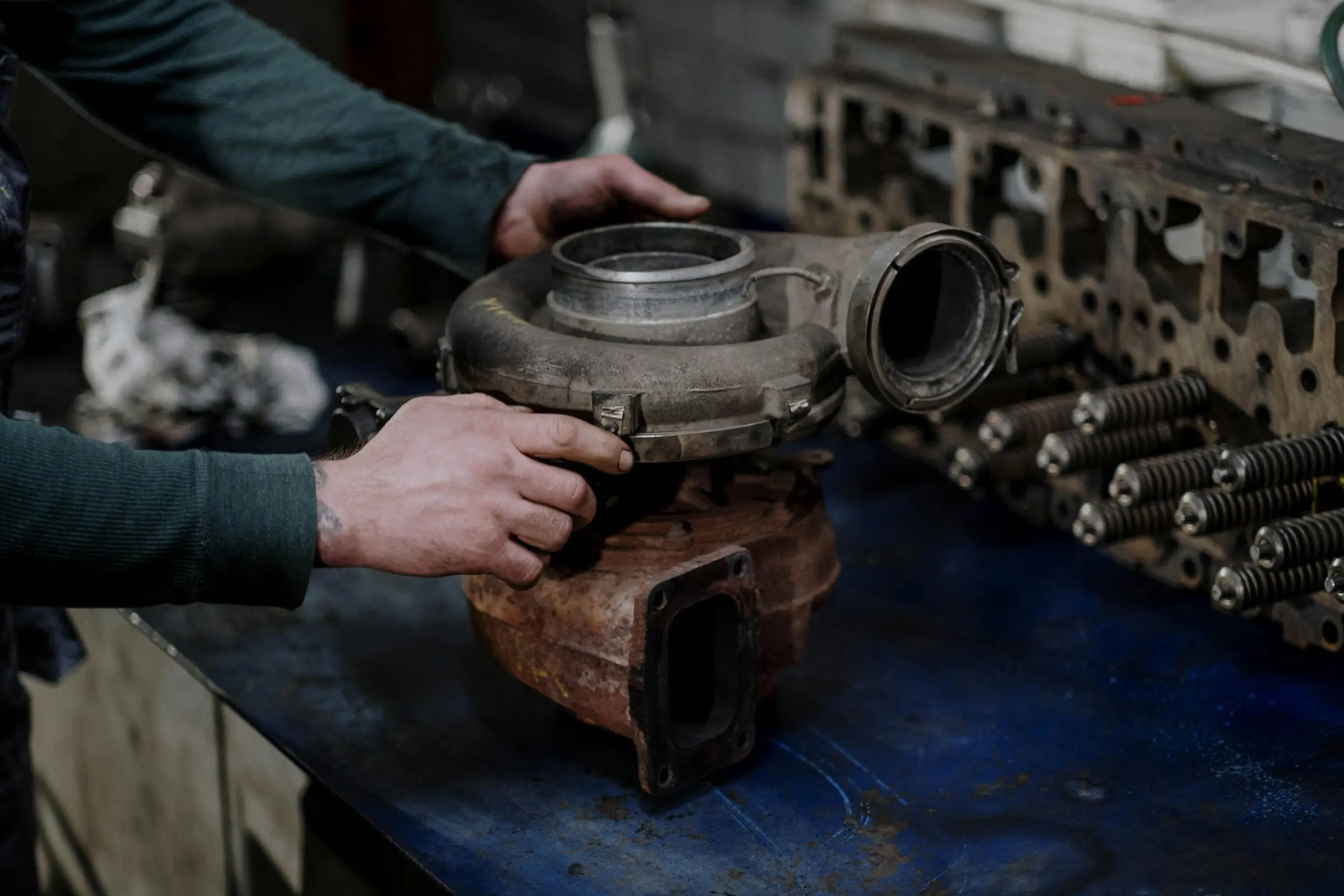
A diesel turbo is supposed to spin fast using exhaust pressure to force more air into the engine. This creates boost power.
When it’s not spooling, the turbo cannot reach the speed it needs. As a result, your engine doesn’t get enough air, which leads to weak performance and smoky exhaust.
Symptoms of a Turbo Not Spooling
1. Slow Acceleration and Weak Power
The most noticeable symptom is poor acceleration. When the turbo doesn’t spool, you lose the quick pull you’re used to. The truck feels heavy, like it’s dragging extra weight.
2. Low Boost Pressure on Gauge
If you have a boost gauge, you may see the numbers stay low even when you press the pedal hard. The turbo may not be building pressure at all, or it may rise very slowly.
3. Excessive Black Smoke
Black smoke means the engine is burning more fuel than air. When turbo boost drops, air supply falls, fuel stays the same, and incomplete combustion begins. This thick smoke is a strong sign the turbo is struggling or air is leaking.
4. Whistling, Grinding, or No Turbo Sound
A healthy turbo has a clear whine or whistle when spooling. If the sound is gone, faint, or replaced with grinding noises, the turbo may be damaged, worn, or blocked.
5. High Exhaust Gas Temperatures (EGT)
Without boost, the engine runs hotter. Rising EGTs can damage pistons, valves, and even the turbo itself if ignored.
6. Poor Fuel Economy
The engine uses more fuel to make up for the loss of air. If your mileage suddenly drops, the turbo might not be doing its job.
Why Your Turbo Isn’t Spooling
A turbo can stop spooling for several mechanical reasons. The most common include:
Boost Leaks
A tear in the intercooler hose, a loose clamp, or a cracked pipe will let air escape. The turbo works hard, but the boost disappears before reaching the engine.
Clogged Air Filter or Intake
When the turbo cannot get enough clean air, it simply cannot spool. A blocked filter or intake buildup restricts airflow.
Sticking or Faulty VGT Vanes
On engines with Variable Geometry Turbos (VGT), soot can cause the vanes to stick.
When this happens, the turbo cannot adjust for different RPMs, causing poor boost.
Exhaust Leaks Before the Turbo
If pressure escapes from the exhaust manifold or gaskets, the turbo loses the force it needs to spin.
Worn Turbo Bearings or Shaft Play
Over time, a turbo may wear out internally. Excess shaft play slows spool time or prevents it completely.
Faulty Sensors
A bad MAP sensor, MAF sensor, or boost pressure sensor can trick the ECU into limiting boost for protection.
How to Restore Full Boost Power
1. Inspect and Fix Boost Leaks
Start with the intercooler pipes and couplers. Look for oil marks (a leak sign), loose clamps, or torn hoses. Fixing even a small leak can bring back full turbo response.
2. Clean or Replace the Air Filter
A dirty air filter restricts airflow.
Switching to a new filter or cleaning an existing one often restores spool quickly.
3. Clean the VGT Mechanism
If your turbo uses VGT technology, sticking vanes are a common issue. Cleaning the vanes or running a high-quality fuel additive can sometimes free the soot buildup. In severe cases, professional cleaning or turbo removal is needed.
4. Check for Exhaust Leaks
Inspect the manifold, gaskets, and bolts. An exhaust leak reduces the energy the turbo needs. Fixing these leaks improves spool time immediately.
5. Test Turbo Play and Condition
If the turbo has excessive shaft movement, damaged blades, or grinding noise, rebuilding or replacing it may be the only option.
6. Scan for Sensor Errors
Use a diagnostic scanner to check for codes involving:
- MAP
- MAF
- EGT
- Boost pressure
Replacing a faulty sensor often solves boost issues instantly.
7. Ensure the EGR System Isn’t Clogged
A stuck EGR valve allows too much exhaust back into the intake. This reduces air for combustion and slows turbo response.
Preventing Turbo Spool Problems
Once you fix the issue, keeping your turbo healthy is just as important.
- Change oil on time to protect turbo bearings.
- Avoid long idling, which causes soot buildup.
- Let the engine warm before heavy acceleration.
- Use clean, high-quality fuel.
- Allow the turbo to cool down after towing or hard driving.
These small habits help extend turbo life and keep boost strong.
Final Thoughts
A turbo that isn’t spooling isn’t just annoying—it’s a warning that your engine needs attention. By watching for symptoms like slow acceleration, low boost, black smoke, and strange sounds, you can catch problems early.
Most issues come from simple causes like leaks or clogged filters, and fixing them can restore full boost power quickly.
With the right care and timely troubleshooting, your diesel turbo can deliver strong, reliable performance for years to come.