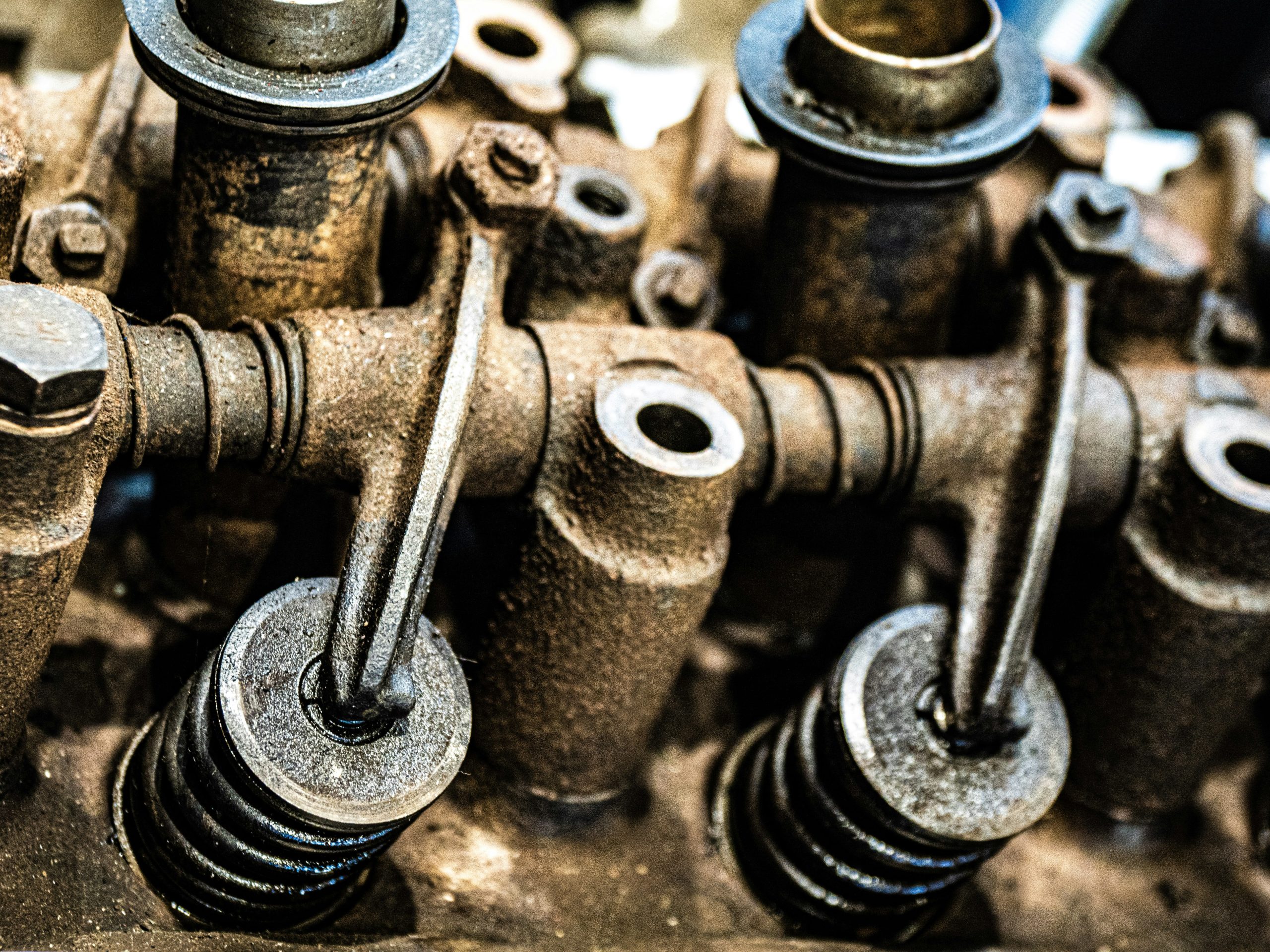
When it comes to diesel engines, oil is like the lifeblood that keeps everything running smoothly. Diesel engines are powerful, hardworking machines, and they need the right kind of oil to stay strong.
If you pick the wrong oil, you could end up with serious problems, like engine wear, overheating, or even costly repairs.
Today, we’re diving deep into the big question: Should you use synthetic or conventional oil for your diesel engine? Let’s break it down in a way that’s simple and clear.
Why Diesel Engines Need Special Oil
Diesel engines are different from gasoline engines in many ways. They work with higher compression ratios, meaning the air inside the cylinder is squeezed much tighter before fuel is added.
This leads to more powerful explosions and more torque, which is great for heavy-duty tasks like towing and hauling.
But with all that power comes extra stress. Diesel engines produce:
- Higher temperatures
- More soot and contaminants
- More pressure inside the engine
Because of this, diesel engines need oil that can:
- Stay strong under extreme heat
- Fight off sludge and soot buildup
- Protect against wear and tear
- Resist breaking down quickly
That’s why diesel-specific oils include special additives like:
- Detergents (to clean engine parts)
- Anti-wear agents (to protect metal surfaces)
- Corrosion inhibitors (to stop rust and damage)
Without the right oil, your diesel engine could wear out much faster than it should.
What Is Conventional Diesel Engine Oil?
Conventional oil comes from crude oil that is pulled out of the ground. After being refined to remove impurities, it’s blended with chemicals to help it protect your engine better. For a long time, conventional oil was the only choice drivers had.
Advantages of Conventional Oil:
- Lower Cost: It’s usually the cheapest option. If you change your oil regularly, conventional oil can save you money.
- Great for Older Engines: Many older diesel engines were built before synthetic oils were common. They can run just fine on conventional oil.
- Widely Available: Almost every auto shop and parts store carries it, so it’s easy to find.
Disadvantages of Conventional Oil:
- Wears Out Quicker: Conventional oil starts to break down faster under extreme heat or heavy use.
- More Frequent Oil Changes: You might have to change your oil every 3,000 to 5,000 miles, depending on how you drive.
- Less Protection: It doesn’t fight sludge or oxidation as well as synthetic oil, especially under harsh conditions.
When Is Conventional Oil a Good Choice? If you drive an older diesel vehicle, like an old work truck or tractor, and you don’t do a lot of heavy towing or extreme driving, conventional oil can still be a good, affordable option.
What Is Synthetic Diesel Engine Oil?
Synthetic oil is made differently. Scientists create synthetic oil in labs by designing oil molecules that are more consistent and stronger than those in natural oil. Synthetic oil is like a “super version” of motor oil.
Advantages of Synthetic Oil:
- Handles Extreme Temperatures: Whether it’s freezing cold or burning hot, synthetic oil stays stable and keeps flowing smoothly.
- Lasts Longer: It doesn’t break down as quickly, so you can often go 7,500 to 15,000 miles between oil changes.
- Better Engine Protection: Synthetic oil offers superior protection against engine wear, sludge, and deposits.
- Improved Performance: It can help engines run cleaner and sometimes even improve fuel economy slightly.
Disadvantages of Synthetic Oil:
- Higher Cost: Synthetic oil costs more per quart than conventional oil.
- Not Always Needed: For basic driving and older engines, the extra benefits might not make a huge difference.
When Is Synthetic Oil a Good Choice? If you drive a newer diesel truck, especially one with a turbocharger, or you use your vehicle for towing, hauling, or long-distance travel, synthetic oil is usually the smarter choice. It will give your engine the protection it needs to survive tough conditions.
Key Differences Between Synthetic and Conventional Diesel Oil
Here’s a quick chart showing the biggest differences:
| Feature | Conventional Oil | Synthetic Oil |
| Source | Refined from crude oil | Chemically engineered |
| Heat Resistance | Lower | Higher |
| Change Interval | 3,000–5,000 miles | 7,500–15,000 miles |
| Cost | Lower price | Higher price |
| Best For | Older engines, light use | Newer engines, heavy-duty work |
| Protection Against Sludge | Moderate | Excellent |
In Short:
- Conventional oil is affordable and works fine for older engines and lighter use.
- Synthetic oil is stronger, longer-lasting, and better suited for newer, high-performance diesel engines.
When Should You Use Synthetic Diesel Oil?
There are several times when synthetic oil really shines:
- Extreme Weather: Synthetic oil doesn’t thicken in cold weather or thin out in hot weather. It keeps flowing properly no matter the temperature.
- Heavy Towing and Hauling: If you’re pulling a camper, trailer, or boat, your engine works harder. Synthetic oil can handle the extra heat and stress.
- Turbocharged Engines: Turbos get incredibly hot. Synthetic oil can survive those temperatures better.
- Long-Distance Driving: If you rack up a lot of highway miles, synthetic oil’s longer life between oil changes can save you time and money.
In short, if you expect your diesel engine to work hard, go synthetic. It will provide the protection you need to avoid expensive repairs down the road.
How to Choose the Right Diesel Oil for Your Engine
Here are simple steps to picking the right oil:
- Check Your Owner’s Manual: This will tell you the right oil weight (like 5W-40, 15W-40, or others) and whether synthetic is recommended.
- Look for Diesel-Specific Oils: Oils marked with diesel standards like API CK-4, CJ-4, or FA-4 have been tested to protect diesel engines under tough conditions.
- Consider Your Driving Conditions: If you live somewhere very hot, cold, or do a lot of towing, synthetic might be the better choice.
- Think About Your Engine’s Age: Older engines often run just fine on conventional oil if maintained properly.
Pro Tip:
No matter what, never mix synthetic and conventional oils unless the bottle specifically says it’s a “synthetic blend.” Always stick to one type at a time.
Final Thought
Choosing between synthetic and conventional oil for your diesel engine isn’t hard once you understand your engine’s needs.
Synthetic oil offers the best protection, longer oil change intervals, and top-notch performance. It’s perfect for heavy-duty trucks, turbo engines, and harsh driving conditions.
Conventional oil can still be a smart, budget-friendly choice for older diesel engines or vehicles that don’t see heavy use.
At the end of the day, the best oil is the one that keeps your engine clean, protected, and running smoothly.