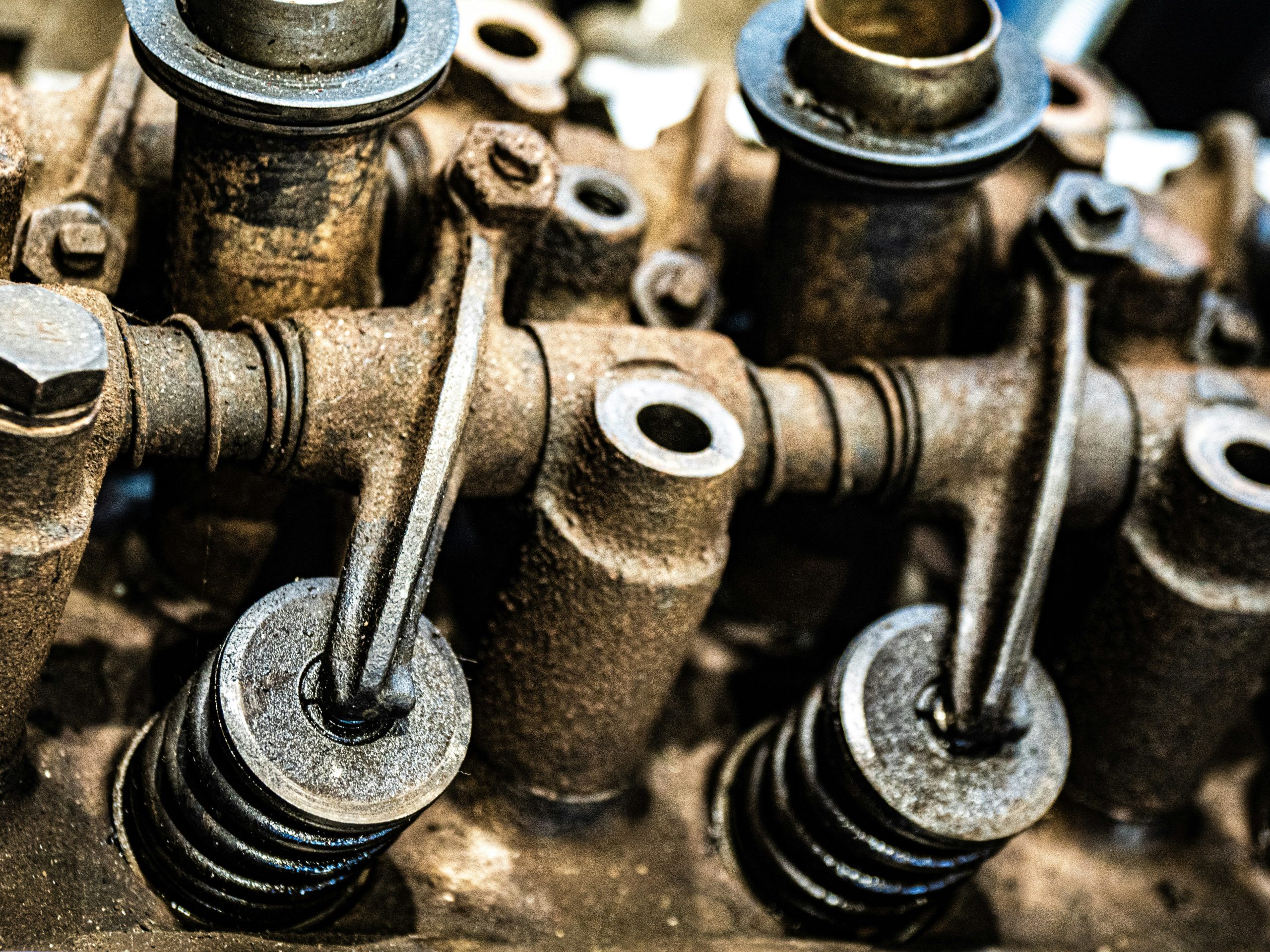
Diesel engines are known for smooth, steady power. When a diesel engine starts surging while driving, it feels like the vehicle is speeding up and slowing down on its own.
This problem can happen at highway speeds, during light acceleration, or while cruising. Surging is not just annoying—it is often an early warning sign of a deeper engine or fuel system issue.
This guide explains what diesel engine surging is, why it happens, how to recognize the symptoms, and how technicians diagnose the problem step by step.
What Is Diesel Engine Surging?
Diesel engine surging happens when the engine cannot maintain a stable fuel-air balance. Instead of delivering smooth power, the engine repeatedly gains and loses power. This can feel like:
- A rhythmic push-pull motion while driving
- RPMs rising and falling without pressing the throttle
- Hesitation followed by sudden bursts of power
Surging can be mild at first, but it usually gets worse if ignored.
Common Symptoms of Diesel Engine Surging
Surging rarely comes alone. Other symptoms often appear alongside it, helping narrow down the cause.
- Inconsistent acceleration
- Engine hesitation at steady speed
- Reduced fuel economy
- Rough idle before or after driving
- Check engine light turning on and off
- Jerking or bucking during light throttle
Not every vehicle will show all these signs, but even one or two are enough to justify a proper diagnosis.
Main Causes of Diesel Engine Surging While Driving
Fuel Pressure Problems
Diesel engines rely on precise fuel pressure. If the pressure is too low or unstable, fuel delivery becomes uneven.
Common causes include clogged fuel filters, weak lift pumps, failing high-pressure pumps, or contaminated fuel. Even small pressure drops can cause noticeable surging at cruising speed.
Dirty or Failing Fuel Injectors
Diesel injectors must spray fuel in a fine, controlled pattern. When injectors become dirty or worn, fuel delivery becomes uneven.
This leads to cylinders firing inconsistently, which feels like surging or pulsing while driving. Injector issues are especially common in high-mileage diesel engines.
Air Intake Restrictions or Boost Leaks
A diesel engine needs clean, steady airflow. Problems in the intake system can upset the air-fuel balance.
Common issues include clogged air filters, cracked intercooler hoses, leaking boost pipes, or faulty turbo connections. When boost pressure fluctuates, engine power surges with it.
Turbocharger Control Issues
Modern diesel engines use turbochargers with electronic or vacuum-controlled actuators. If boost control is unstable, power delivery becomes uneven.
Sticky variable vanes, failing boost solenoids, or vacuum leaks can cause the turbo to overboost and underboost repeatedly, leading to surging during steady driving.
Sensor Signal Errors
Diesel engines rely on sensors to calculate fuel delivery. If a sensor sends incorrect data, the engine control module reacts incorrectly.
Common sensors linked to surging include fuel rail pressure sensors, mass airflow sensors, boost pressure sensors, and throttle position sensors. Faulty wiring can cause the signal to drop in and out, triggering sudden power changes.
EGR System Problems
The exhaust gas recirculation system helps control emissions by routing exhaust gases back into the engine. If the EGR valve sticks open or closed, airflow becomes unstable.
This can cause surging, hesitation, and rough running—especially at cruising speed or light throttle.
How Technicians Diagnose Diesel Engine Surging
Step 1: Confirm Driving Conditions
The first step is identifying when surging occurs. Does it happen at steady speed, under light acceleration, or during heavy load? Knowing this helps narrow the system involved.
Surging at steady speed often points to fuel pressure or sensor issues. Surging under load may indicate turbo or injector problems.
Step 2: Scan for Trouble Codes
Even if the check engine light is off, stored or pending fault codes may exist. Diagnostic scans can reveal fuel pressure irregularities, boost control faults, or sensor signal errors.
Codes do not always give the exact answer, but they guide further testing.
Step 3: Check Fuel System Health
Technicians inspect fuel filters for clogging and test fuel pressure under different driving conditions. Pressure that fluctuates or drops under load is a major red flag.
Fuel quality may also be checked for water or contamination, which can cause intermittent surging.
Step 4: Inspect Air and Boost Components
Air intake hoses, intercooler pipes, and clamps are inspected for cracks or loose connections. Even small boost leaks can cause noticeable surging.
Turbo actuator operation is also tested to ensure smooth and consistent boost control.
Step 5: Evaluate Injector Performance
Injector balance tests measure how evenly fuel is delivered to each cylinder. Injectors that overfuel or underfuel can cause rhythmic surging.
In some cases, injectors may need cleaning, recalibration, or replacement.
Step 6: Test Sensors and Wiring
Live data is monitored to ensure sensor readings remain stable while driving. Sudden spikes or dropouts often indicate failing sensors or wiring issues.
Electrical connectors and grounds are checked closely, especially in older vehicles.
Can You Keep Driving With a Surging Diesel Engine?
Driving with engine surging is risky. While the vehicle may still move, the underlying problem can worsen quickly.
Continued driving may lead to injector damage, turbo failure, excessive exhaust temperatures, or even engine shutdown. Surging should always be treated as a warning, not a minor inconvenience.
How to Prevent Diesel Engine Surging
Regular maintenance plays a major role in prevention.
- Replace fuel filters on schedule
- Use high-quality diesel fuel
- Keep air filters clean
- Address warning lights early
- Avoid ignoring small drivability changes
Catching small issues early often prevents expensive repairs later.
Final Thoughts
Diesel engine surging while driving is a clear sign that something is disrupting the engine’s balance. Whether the cause is fuel pressure, injectors, turbo control, sensors, or airflow issues, the problem rarely fixes itself.
A proper diagnosis focuses on how fuel, air, and electronics work together under real driving conditions. Addressing surging early protects engine performance, fuel efficiency, and long-term reliability.
If your diesel vehicle feels like it is speeding up and slowing down on its own, it is not normal—and it should not be ignored.