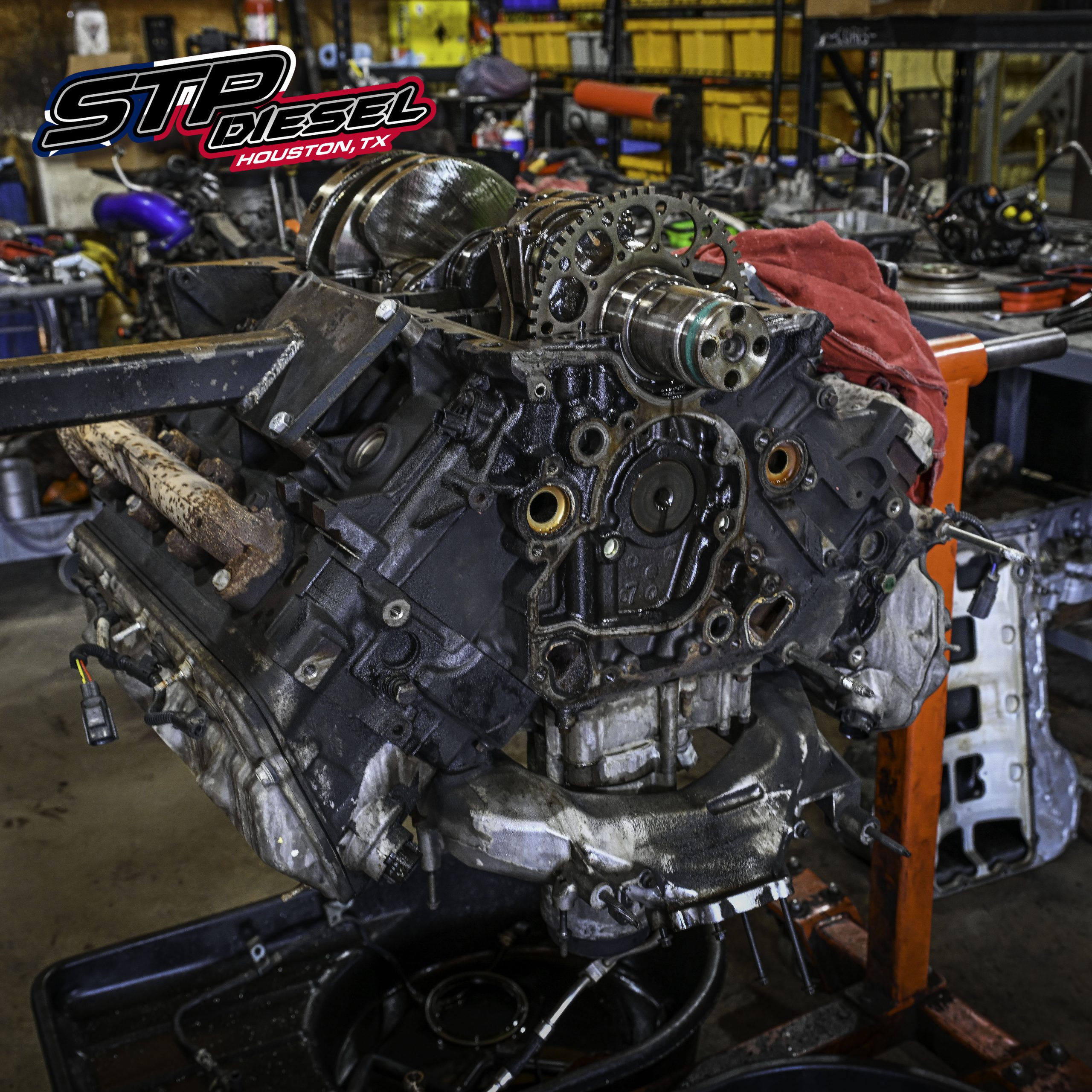
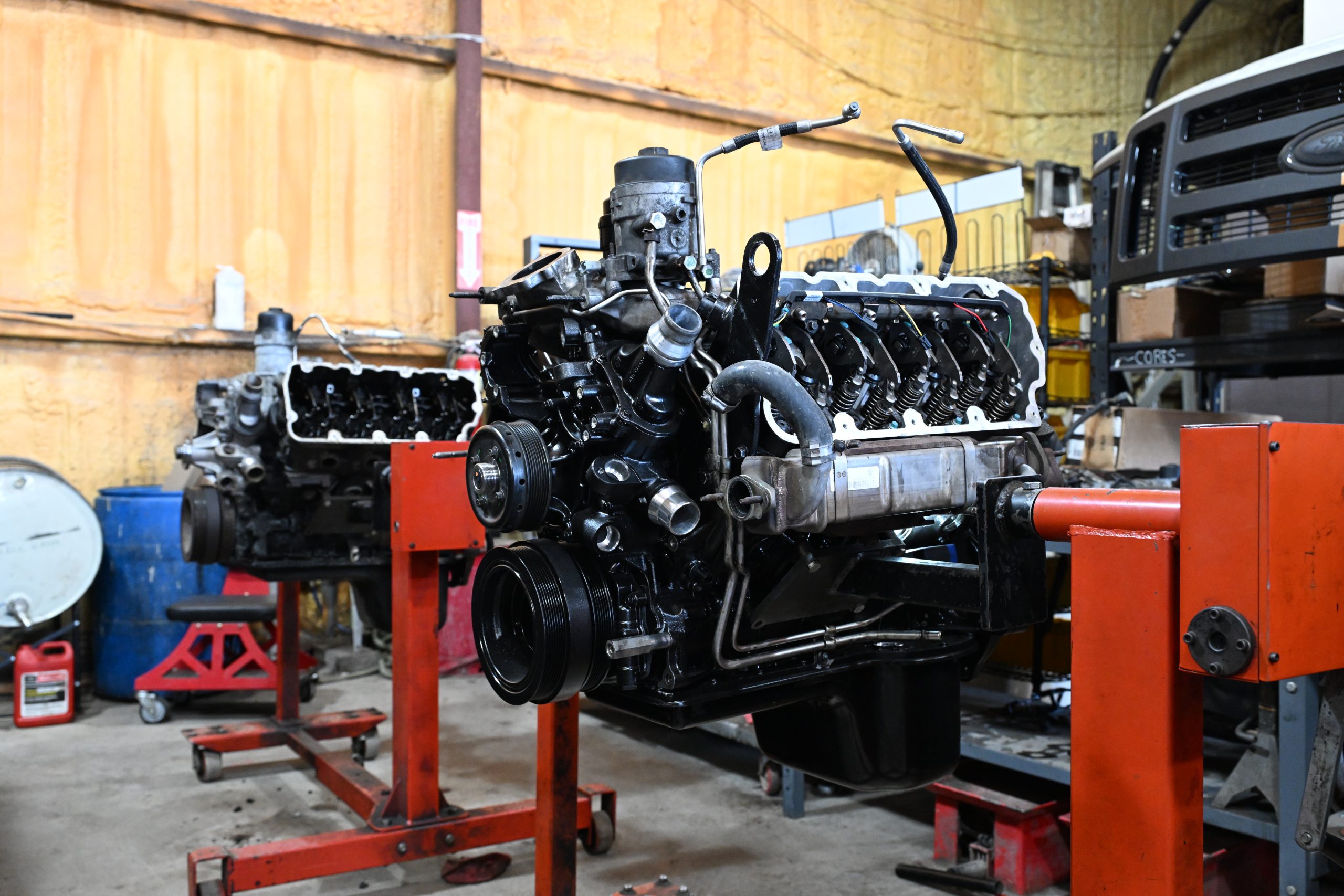
The 6.4L Powerstroke represented a major change in Ford’s diesel platform. Introduced for the 2008 model year as the replacement for the 6.0 Powerstroke, the 6.4 brought new fuel-system technology, factory compound turbochargers, significantly more power, and a completely different approach to diesel performance.
Unfortunately, it also developed a reputation for some very serious—and very expensive—failures.
At Southern Truck Pros, we have extensive experience diagnosing, repairing, replacing, and upgrading 6.4 Powerstroke engines. With this platform in particular, experience matters. Before recommending thousands of dollars in repairs, we believe it’s important to understand the overall health of the engine and whether the truck is a good candidate for the repair or performance upgrades being considered.
The 6.4 isn’t a platform where you want to guess.
From High-Pressure Oil to High-Pressure Fuel
One of the biggest changes from the 7.3 and 6.0 Powerstroke was the fuel injection system.
The previous engines relied on HEUI injection, where high-pressure engine oil was used to hydraulically actuate the fuel injectors.
The 6.4 changed that completely.
Ford moved to a high-pressure common-rail fuel injection system. Instead of relying on an HPOP to actuate the injectors, the 6.4 uses a high-pressure fuel pump to generate the tremendous fuel pressure required by its electronically controlled injectors.
This gave the 6.4 excellent performance potential, but it also made fuel quality, filtration, low-pressure fuel supply, and fuel-system health extremely important.
6.4 Powerstroke High-Pressure Fuel System
The high-pressure common-rail system is one of the most important—and potentially expensive—systems on a 6.4 Powerstroke.
The high-pressure fuel pump supplies the rails and injectors with the pressure necessary for proper injection. Contamination, water in the fuel, inadequate fuel supply, or internal pump failure can create major problems.
1
In severe cases, a failing high-pressure fuel pump can contaminate other components within the high pressure fuel system.
That’s why we don’t approach a low-fuel-pressure, hard-start, no-start, or poor-running 6.4 by simply replacing parts.
Proper fuel-system diagnostics are critical.
Fuel quality, low-pressure supply, commanded versus actual rail pressure, pump operation, injectors, and the presence of contamination all need to be considered before determining the proper repair.
The Factory Compound Turbo System
The 6.4 Powerstroke also brought one of the most interesting factory turbocharger systems ever installed on a Powerstroke:
Compound turbos.
The factory system combines a larger fixed-geometry low-pressure turbocharger with a smaller variable-geometry high-pressure turbocharger.
The smaller high-pressure VGT helps provide quick response, while the larger low-pressure turbo supports airflow as engine load and power demand increase.
When everything is working properly, the result is impressive turbo response and excellent power potential. It’s one of the characteristics that makes the 6.4 such an interesting performance platform. 6.4 Powerstroke Turbo Diagnostics & Repair
The downside to having two turbochargers and a more complex air-management system is that there are more components that can develop problems.
Turbocharger failures, VGT concerns, exhaust leaks, damaged or leaking up-pipes, boost leaks, sensor issues, and other air-management problems can all create low-power or boost-related complaints.
That’s why a boost concern shouldn’t automatically result in replacing turbochargers.
We evaluate the complete air and exhaust system to determine what’s actually preventing the engine from performing correctly.
The 6.4 Powerstroke’s Reputation
The 6.4 was supposed to represent a fresh start after many of the problems associated with the 6.0 Powerstroke.
2.Unfortunately, the 6.4 developed serious problems of its own. Some of the concerns we commonly associate with this platform include:
- High-pressure fuel pump failures
- Fuel-system contamination
- Injector concerns
- Oil cooler restrictions and failures
- EGR-system problems
- Turbocharger failures
- Exhaust up-pipe leaks
- Cooling-system concerns
- Fuel dilution of the engine oil
- Excessive crankcase pressure and blow-by
- Piston and other internal engine damage
- DPF and regeneration-related concerns
Some of these failures can become extremely expensive very quickly. This is why evaluating the overall condition of the engine before beginning a major repair is so important on a 6.4 Powerstroke.
Blow-By & Base Engine Health
One area we take particularly seriously on the 6.4 is base engine condition.
If a truck comes in needing a significant repair, we don’t want to overlook signs that the engine itself may already have internal damage.
Excessive crankcase pressure or blow-by can indicate problems with cylinder sealing, pistons, rings, or other internal engine components.
Before investing heavily into certain repairs or performance upgrades, evaluating base engine health can help determine whether repairing the existing engine makes sense—or whether a more extensive engine repair or replacement should be considered.
There’s no benefit in installing thousands of dollars in parts on an unhealthy foundation. Oil Cooler & Cooling-System Concerns
The 6.4 continued to use an engine oil cooler design that can develop restrictions and cooling-related problems.
Oil temperature, coolant temperature, coolant condition, cooling-system performance, and the health of the oil cooler all need to be considered when evaluating these trucks.
Ignoring cooling-system problems can contribute to much larger and more expensive failures. 3
Proper maintenance and early diagnosis are especially important on this platform. Maintenance Matters on the 6.4
If you own a 6.4 Powerstroke, maintenance isn’t something we recommend stretching.
Clean engine oil, quality filters, proper cooling-system maintenance, good fuel, regular fuel-filter service, and water management within the fuel system are extremely important.
These engines have expensive high-pressure fuel-system components, two turbochargers, complex emissions equipment, and internal components that can suffer significant damage when problems are ignored.
Preventative maintenance is considerably less expensive than repairing a contaminated fuel system or replacing an engine.
6.4 Powerstroke Diagnostics
Because of the complexity and potential repair costs of this platform, diagnostics should come before parts replacement.
Depending on the complaint, our diagnostic process can include evaluating:
- Low-pressure fuel supply
- High-pressure fuel operation
- Desired versus actual fuel rail pressure
- Injector operation
- Fuel-system contamination
- Turbocharger operation
- VGT operation
- Boost and exhaust pressure
- Intake and exhaust leaks
- Engine oil and coolant temperatures
- Cooling-system performance
- DPF and regeneration operation
- Crankcase pressure and blow-by
- Compression and overall base engine condition
The goal is to understand why the truck is failing, not simply replace the component associated with a fault code.
The Other Side of the 6.4 Powerstroke: POWER
For all of its faults, there’s one characteristic of the 6.4 Powerstroke that’s difficult to ignore: These engines can make serious power.
4. The combination of high-pressure common-rail injection and factory compound turbochargers gave the 6.4 tremendous performance potential.
Even from the factory, the engine produced approximately 350 horsepower and 650 lb-ft of torque, and the platform became well known in the diesel-performance world for responding aggressively to modifications.
When starting with a healthy engine and using the correct combination of parts, a 6.4 can be an incredibly powerful truck.
6.4 Powerstroke Performance Upgrades
Before we start chasing horsepower on a 6.4, we want to know what we’re working with. Base engine health comes first.
Once we’ve determined that the engine is a good candidate for performance modifications, we can build a combination around the customer’s goals.
Performance upgrades may include:
- Turbocharger upgrades
- Compound turbo upgrades
- Fuel-system upgrades
- Injector upgrades
- Airflow improvements
- Intercooler and charge-air upgrades
- Exhaust improvements Engine internal upgrades Monitoring systems
- Transmission upgrades
- Supporting reliability upgrades
As power increases, supporting modifications become increasingly important. The goal isn’t simply to make a big horsepower number.
It’s to build a combination where the engine, fuel system, airflow, turbochargers, cooling system, and drivetrain work together.
Repair It Right—or Know When Not To
This is especially important with the 6.4 Powerstroke.
Not every truck should receive the same repair.
5.If the base engine is healthy and the rest of the truck is worth investing in, repairing and upgrading the platform may make sense.
If testing reveals excessive blow-by, internal engine damage, severe fuel-system contamination, or multiple major systems approaching failure, the conversation may need to be different.
At Southern Truck Pros, our job isn’t simply to sell you a repair.
Our job is to properly evaluate the truck, explain what we find, and help you determine the best direction to take with it.
Don’t Underestimate a Healthy 6.4 Powerstroke
The 6.4 Powerstroke earned a difficult reputation—and many of the concerns surrounding the platform are legitimate.
But that’s only half of the story.
The 6.4 introduced common-rail fuel injection, factory compound turbocharging, excellent turbo response, and tremendous horsepower potential to the Powerstroke platform.
A healthy 6.4 with the right combination can be an incredibly strong-running truck. The key is knowing what you’re starting with.
Whether you need 6.4 Powerstroke diagnostics, high-pressure fuel-system repair, turbocharger repair, oil cooler service, cooling-system repairs, engine replacement, base engine testing, or performance upgrades, Southern Truck Pros has the experience to properly evaluate the platform and help you determine the right path forward.
Diagnose it correctly. Know the condition of the engine. Then decide how far you want to take it.