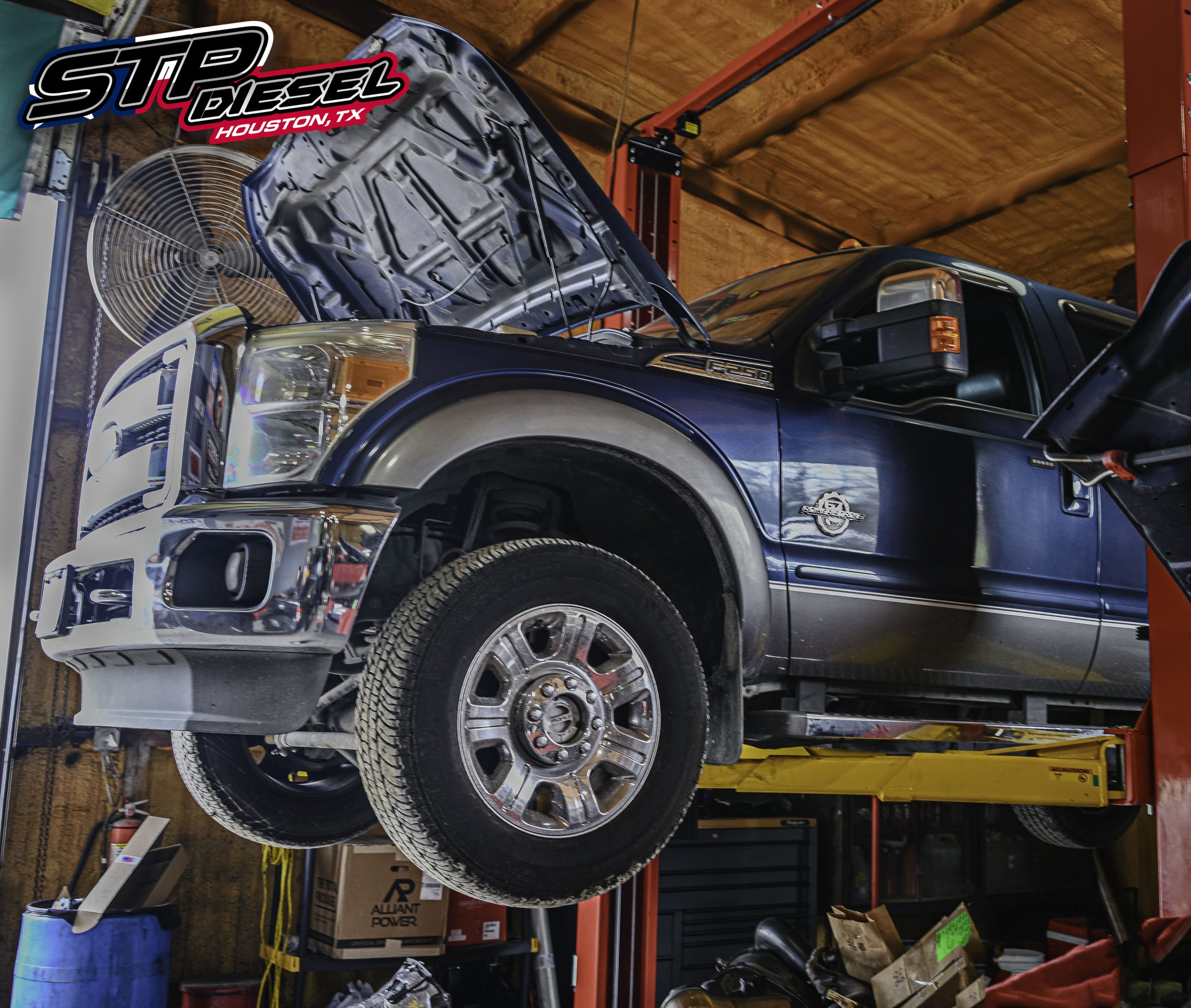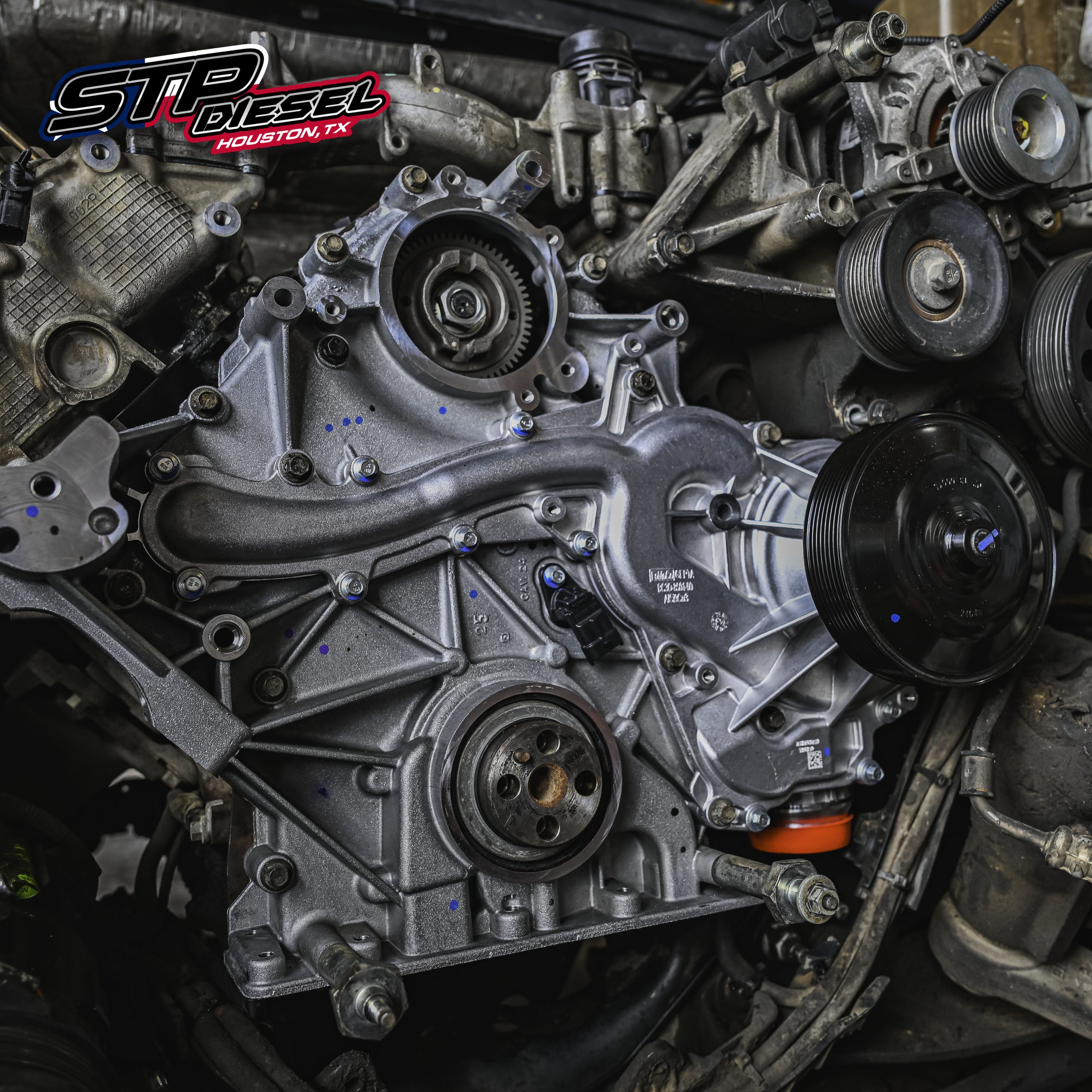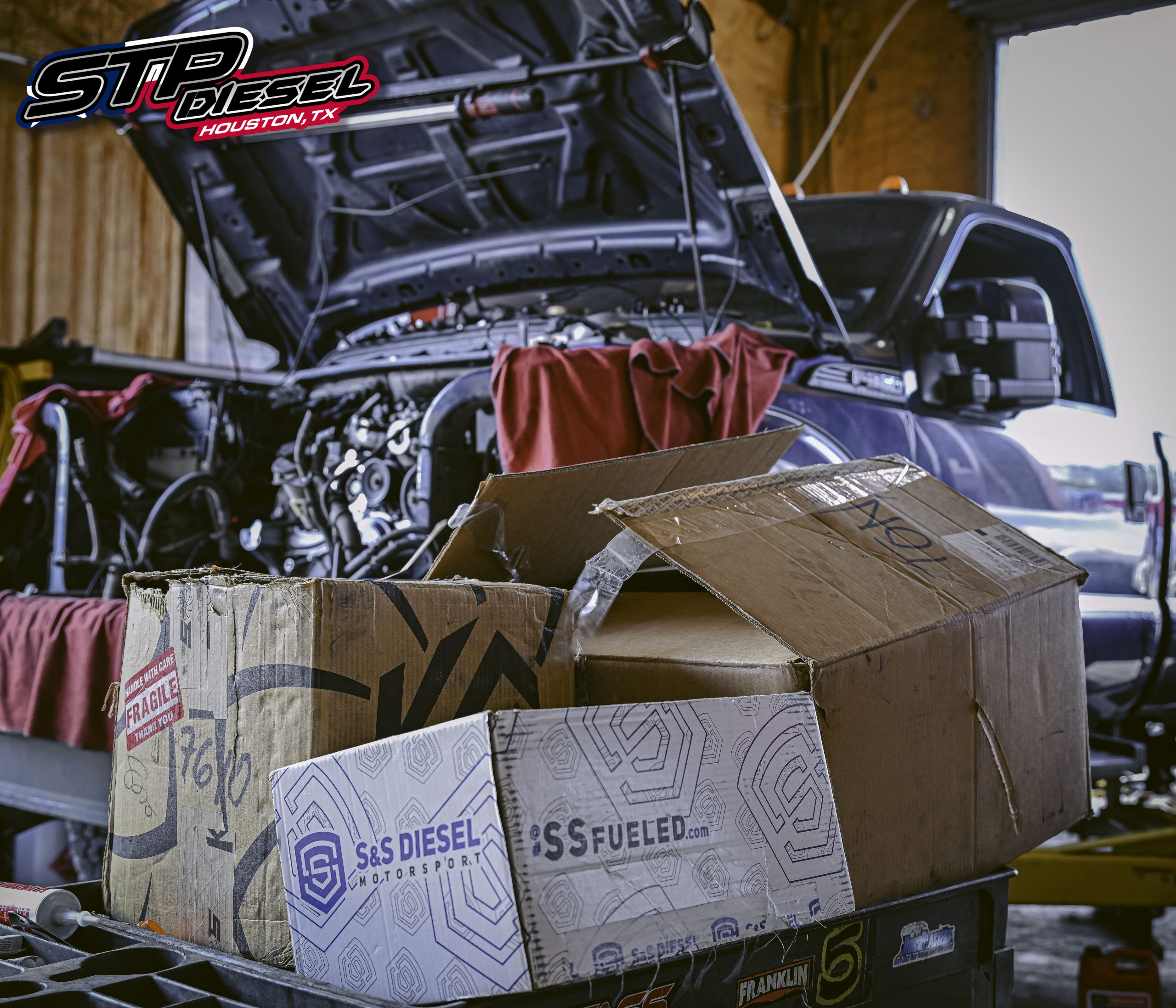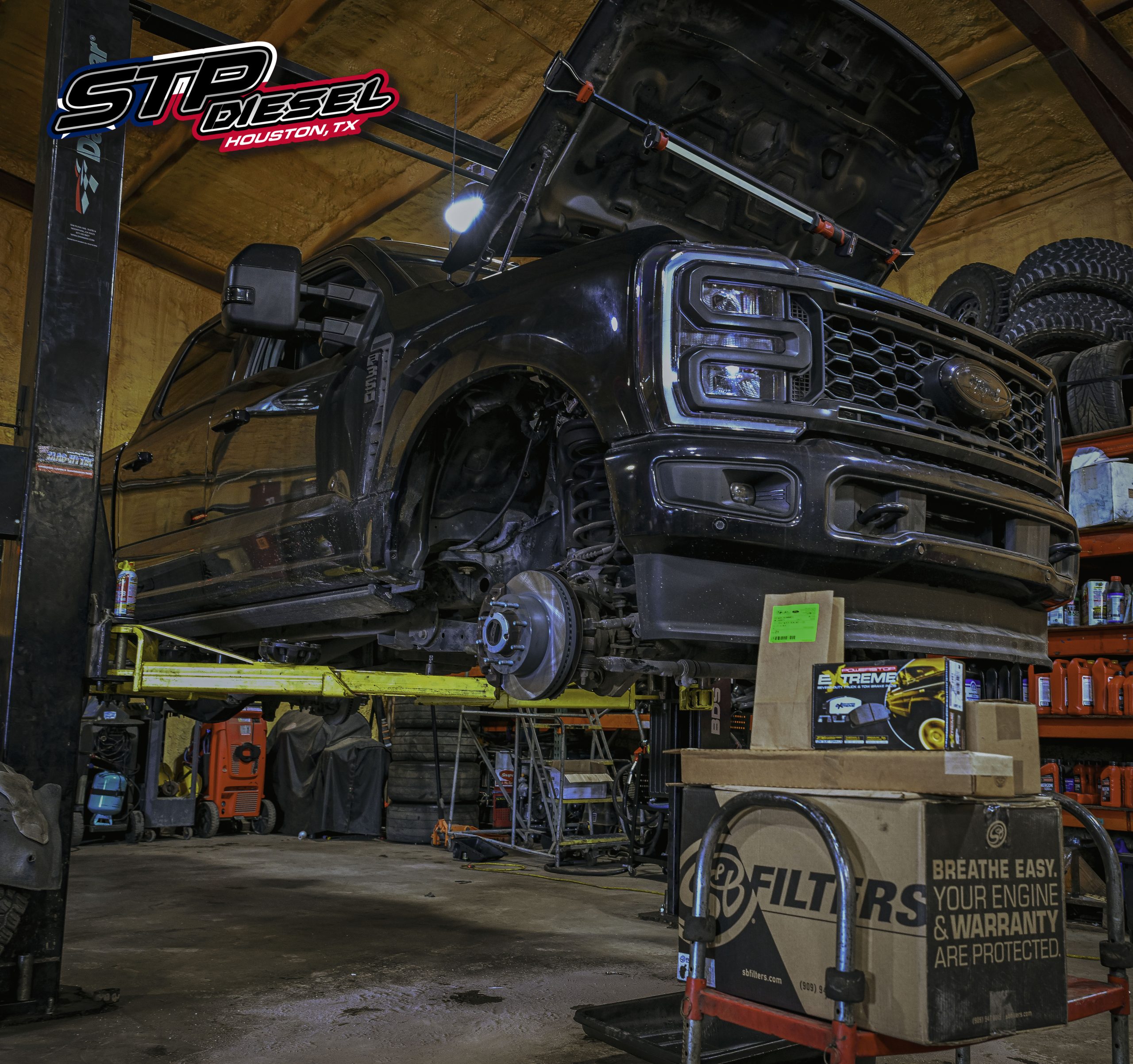
The 6.7L Powerstroke marked the beginning of a new era for Ford diesel trucks.
Introduced for the 2011 model year, the 6.7 Powerstroke—also known as the Scorpion—was the first Powerstroke diesel engine designed and manufactured in-house by Ford rather than supplied through its previous engine partnership.
And Ford got a lot right.
The 6.7 Powerstroke has developed into what we consider one of the best diesel platforms Ford has produced. It combines excellent power, smooth drivability, strong towing capability, modern common-rail fuel injection, and tremendous performance potential.
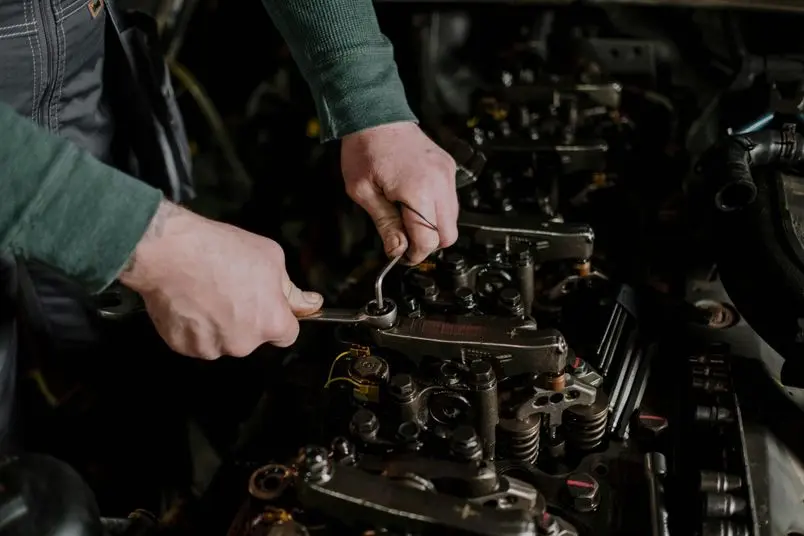
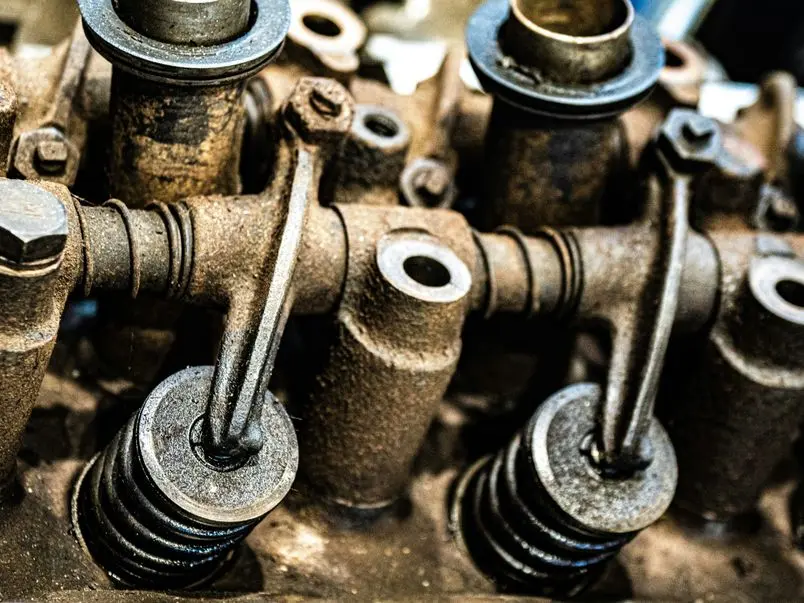
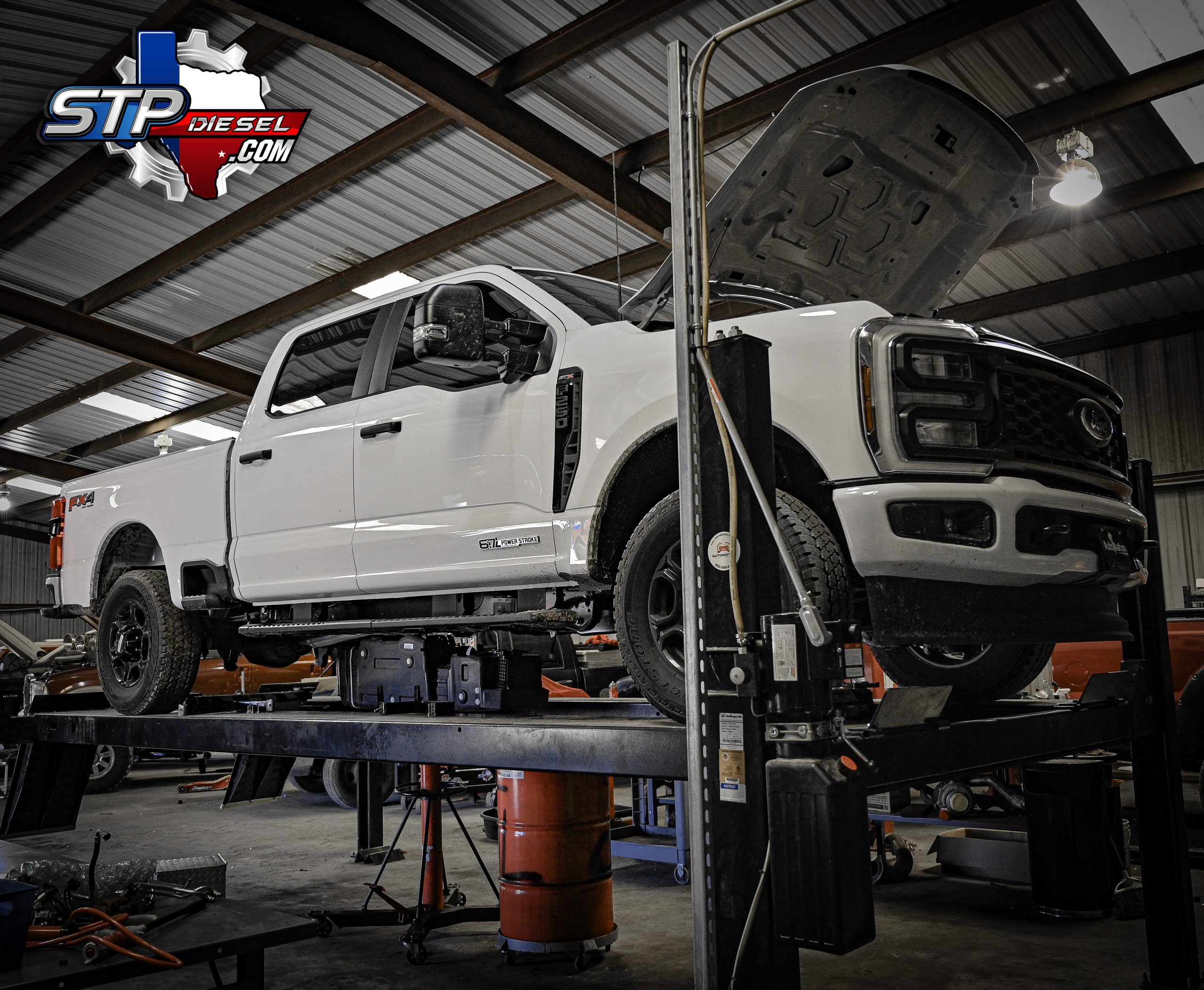
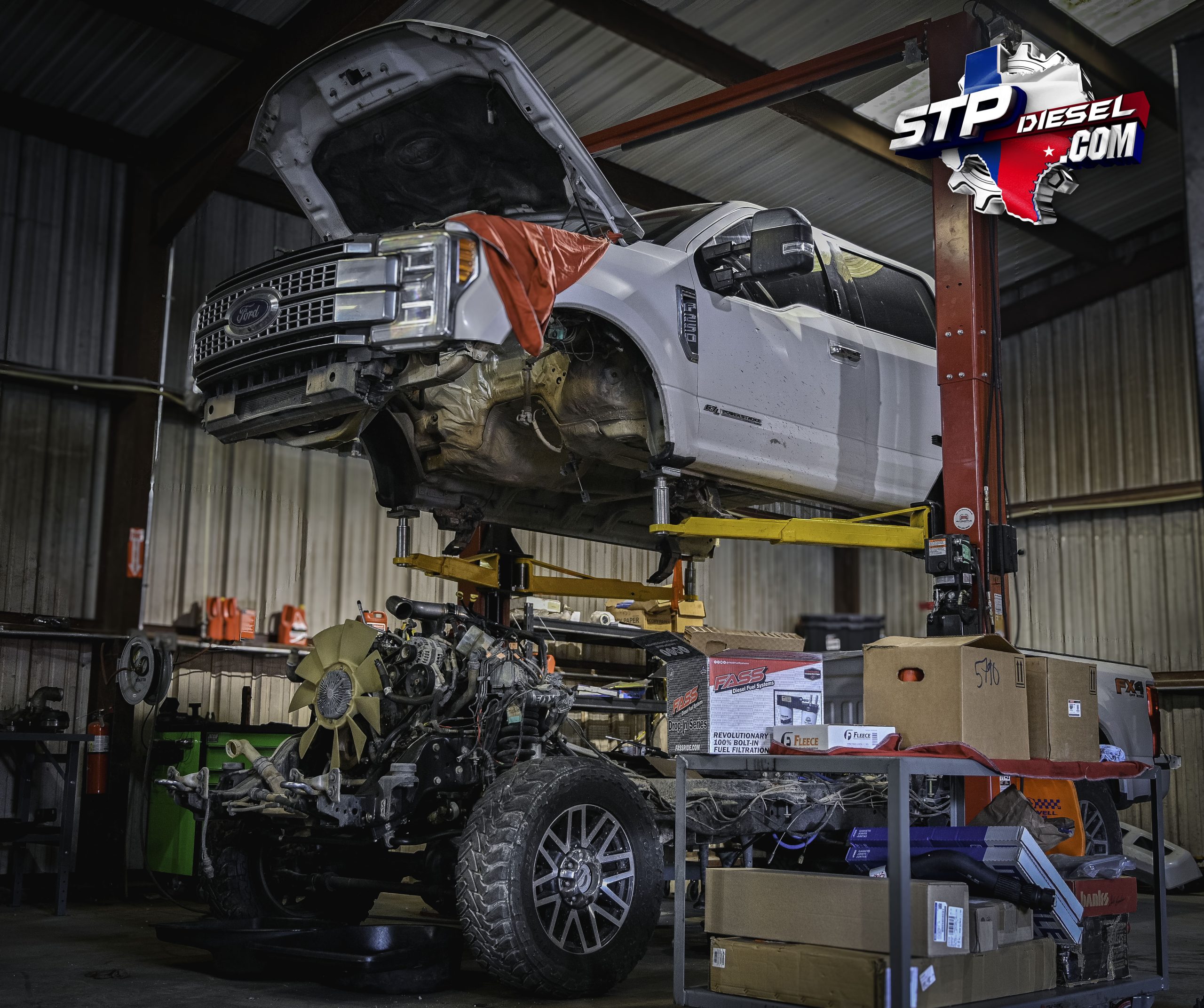
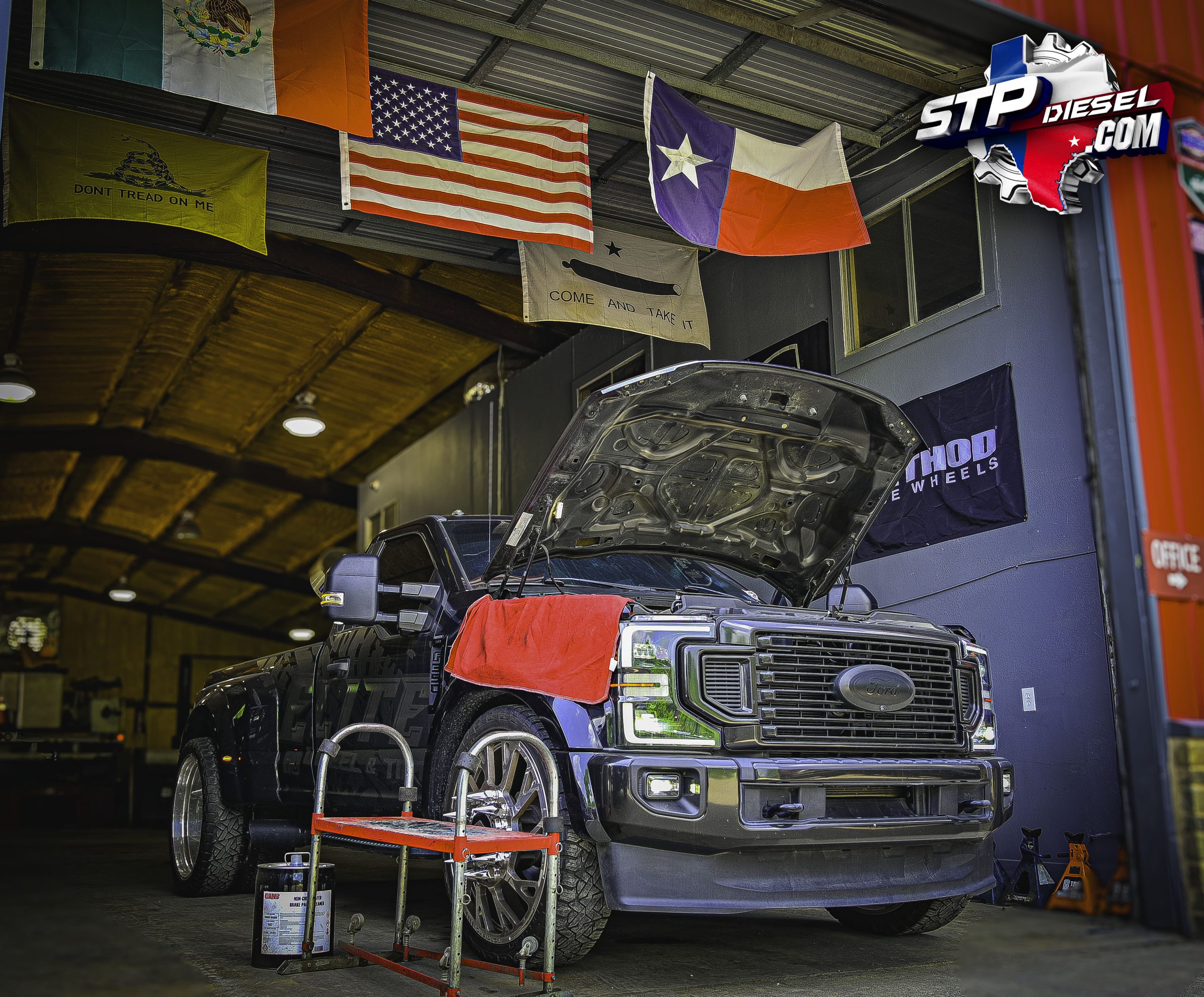
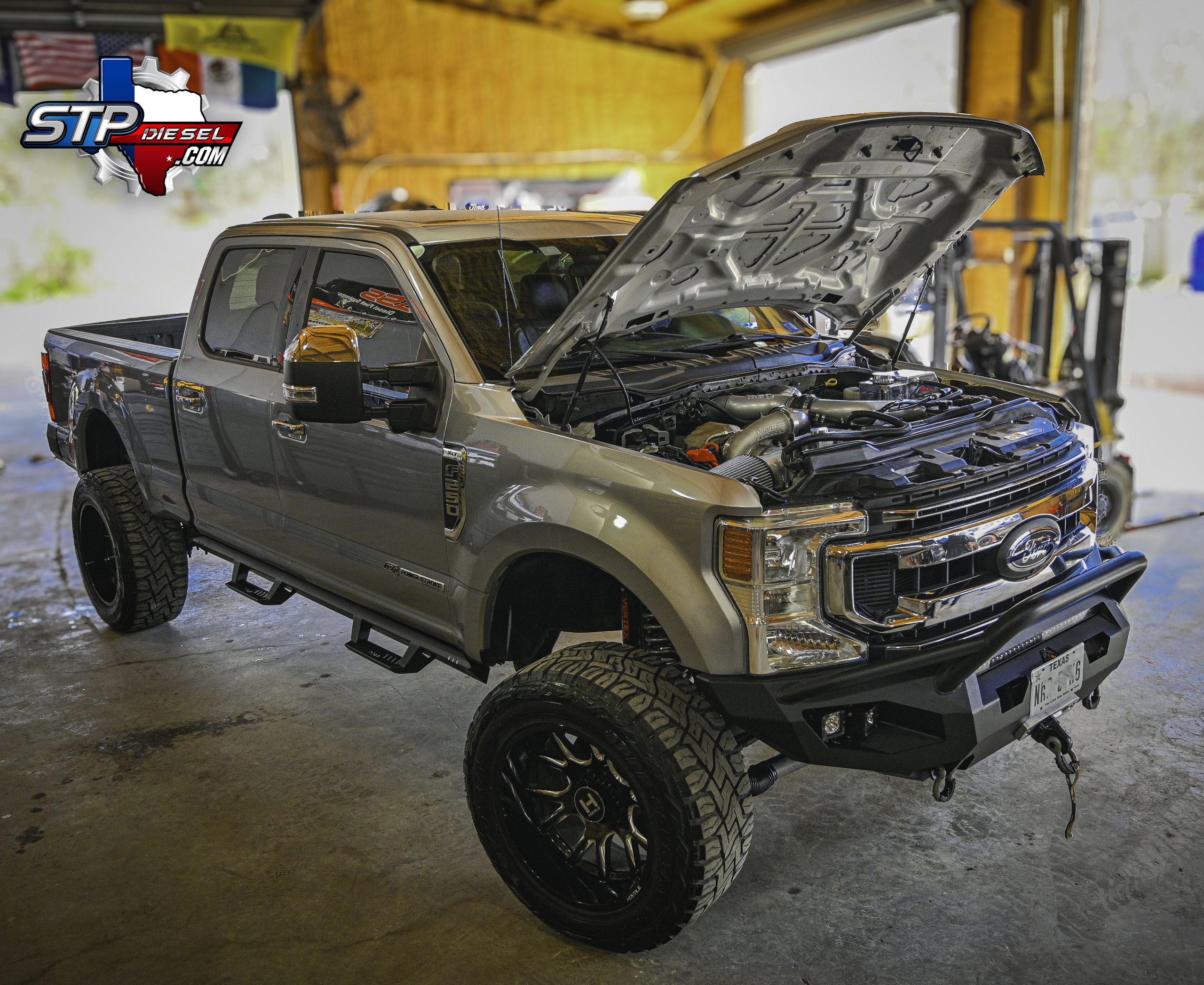
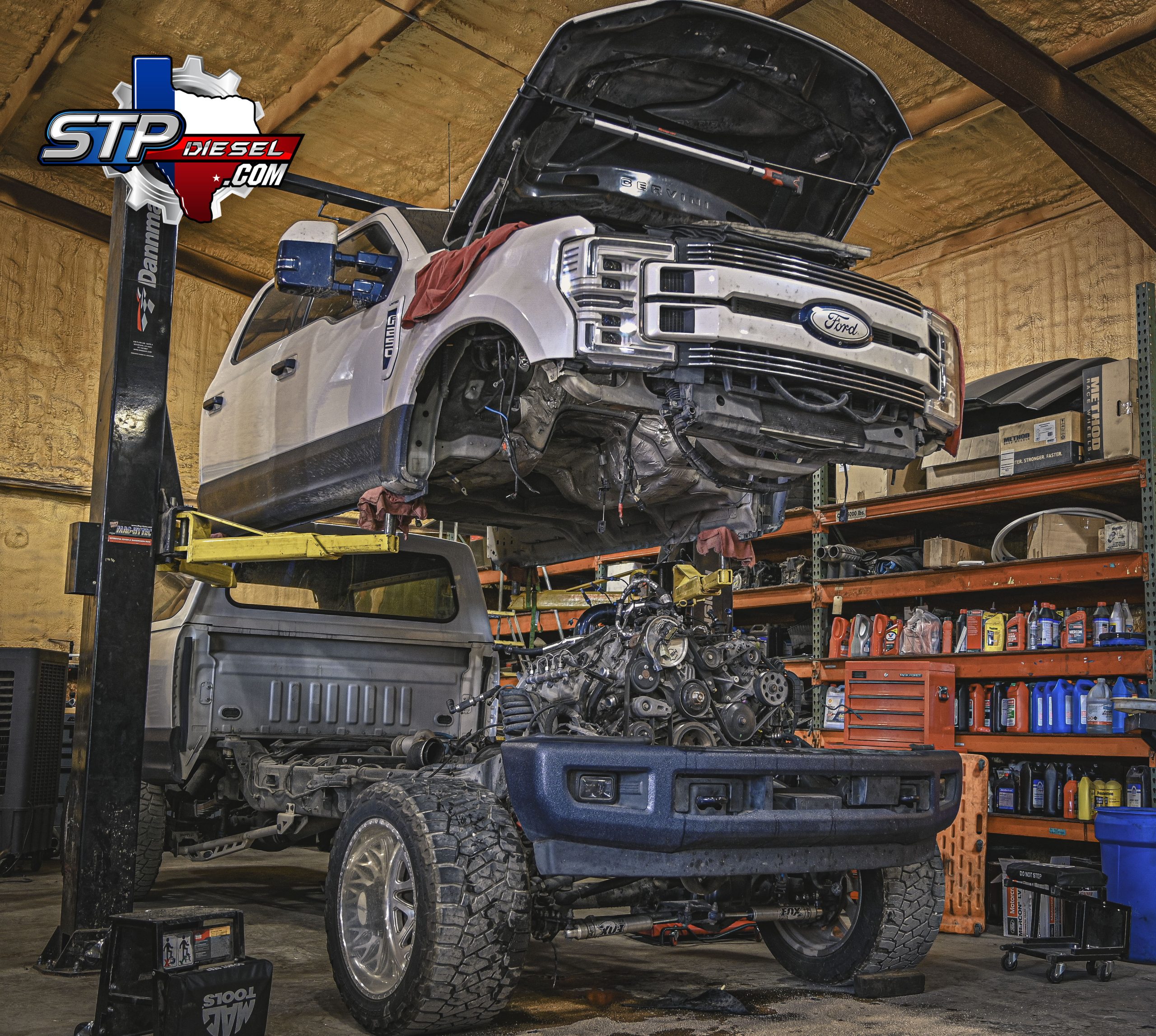
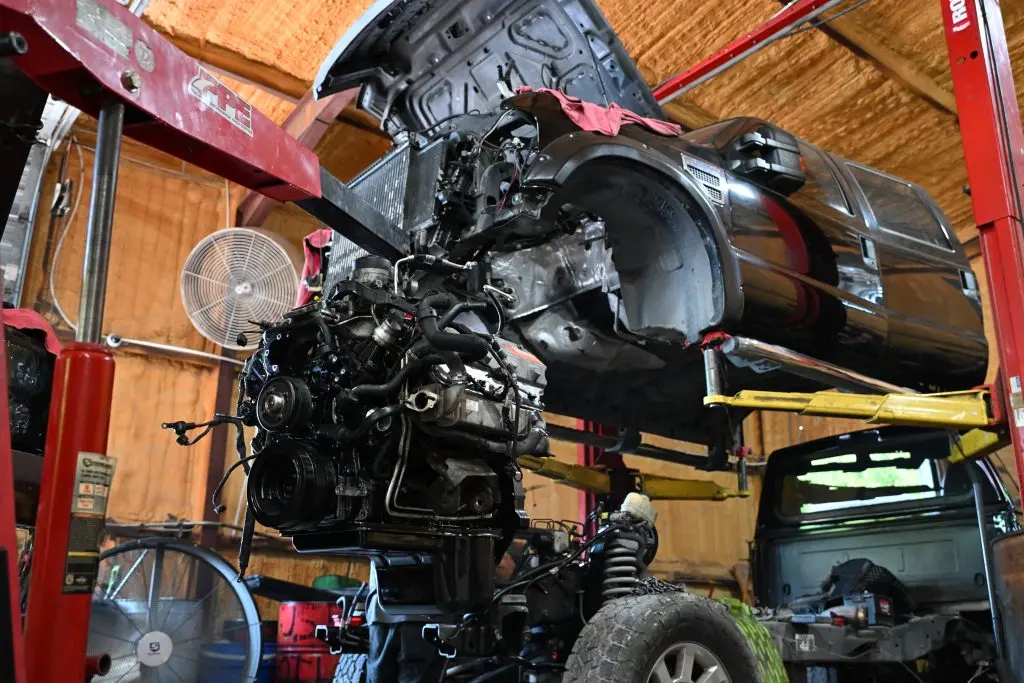
At Southern Truck Pros, we have extensive experience diagnosing, repairing, maintaining, and upgrading 6.7 Powerstroke trucks. From a completely stock work truck to a modified performance build, we understand the systems that make these engines work and the common problems that can develop as they age.
A New Generation of Powerstroke
The 6.7 represented a major departure from previous Powerstroke engines.
Ford designed an entirely new diesel engine featuring modern high-pressure common-rail fuel injection, advanced turbocharger technology, updated emissions controls, and a completely new engine architecture.
The result was an engine that delivered something previous Powerstroke platforms sometimes struggled to combine:
Power and refinement.
The 6.7 produces strong low-end torque, excellent throttle response, smooth power delivery, and great drivability while still being capable of handling demanding towing and work applications.
And as Ford continued developing the platform, it only became better.
6.7 Powerstroke Common-Rail Fuel System
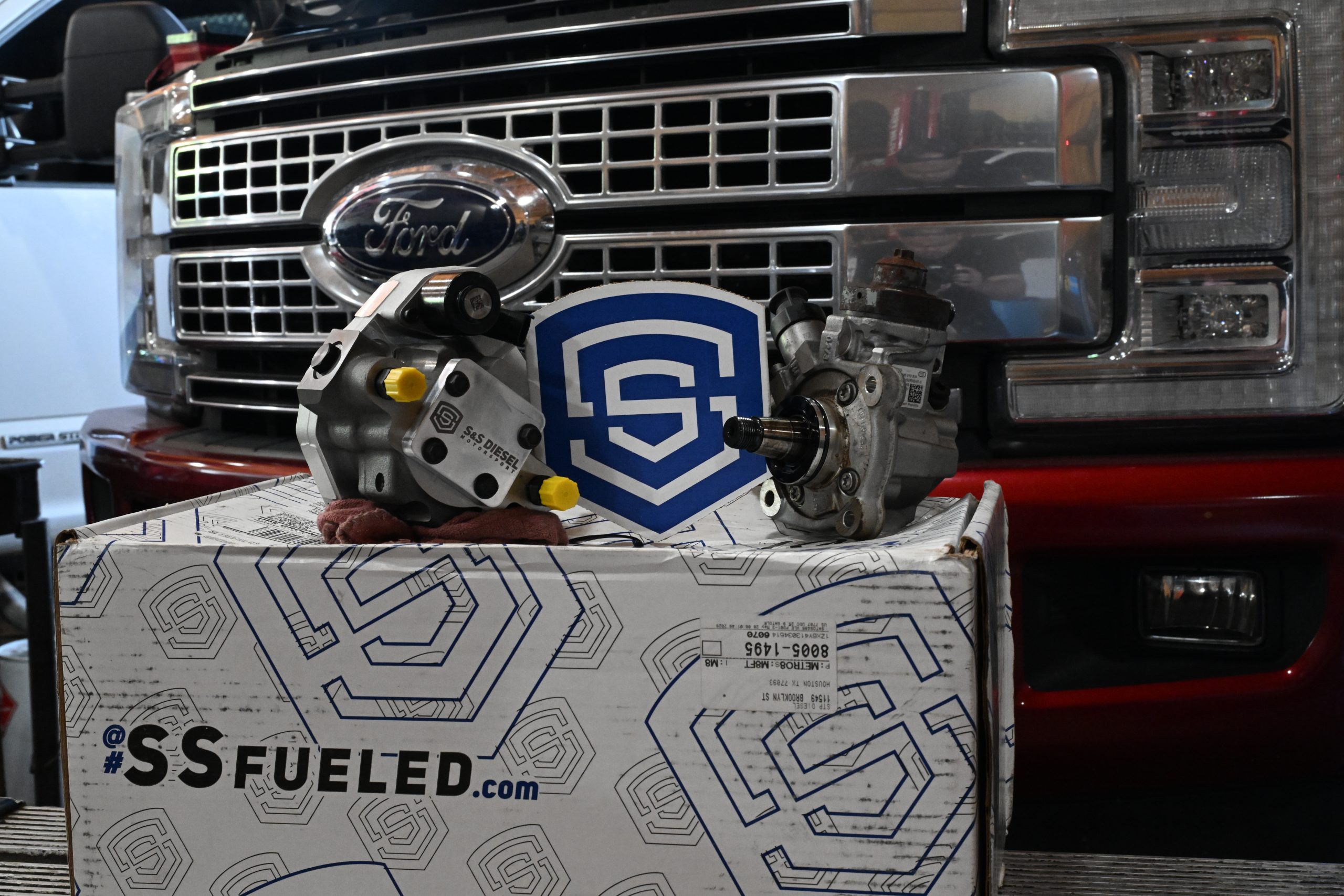
One of the most important systems on the 6.7 Powerstroke is its high-pressure common-rail fuel system. At the center of the system on many 6.7 applications is the Bosch CP4 high-pressure fuel pump.
1.The CP4 takes incoming low-pressure diesel fuel and generates the extremely high fuel pressure required by the common-rail injection system. That pressure is supplied to the fuel rails, where electronically controlled injectors precisely deliver fuel into each cylinder.
When operating correctly, the system provides excellent power, efficiency, response, and precise control over the combustion process.
However, the CP4 also has a weakness every 6.7 Powerstroke owner should understand. CP4 High-Pressure Fuel Pump Failure
The CP4 high-pressure pump can experience internal mechanical failure.
When that happens, the problem may extend far beyond simply replacing the pump.
An internally failing CP4 can produce metallic debris that travels throughout the high-pressure fuel system. Once contamination is distributed through the system, components such as the fuel rails, injectors, high pressure lines, and other fuel-system components can become contaminated.
What started as one failed pump can quickly become a complete fuel-system repair.
Symptoms can vary and may include hard starting, extended cranking, low fuel-rail pressure, poor performance, fault codes, abnormal operation, or a complete no-start.
This is why proper diagnosis and inspection are extremely important.
A fuel-pressure code doesn’t automatically tell you which component failed or why it failed.
Our job is to determine what happened, evaluate the extent of the failure, and recommend the correct repair.
Protecting the 6.7 Powerstroke Fuel System
Fuel quality and proper maintenance are extremely important on a modern common-rail diesel.
Contaminated fuel, water, poor filtration, restricted supply, and other fuel-related issues can create expensive problems.
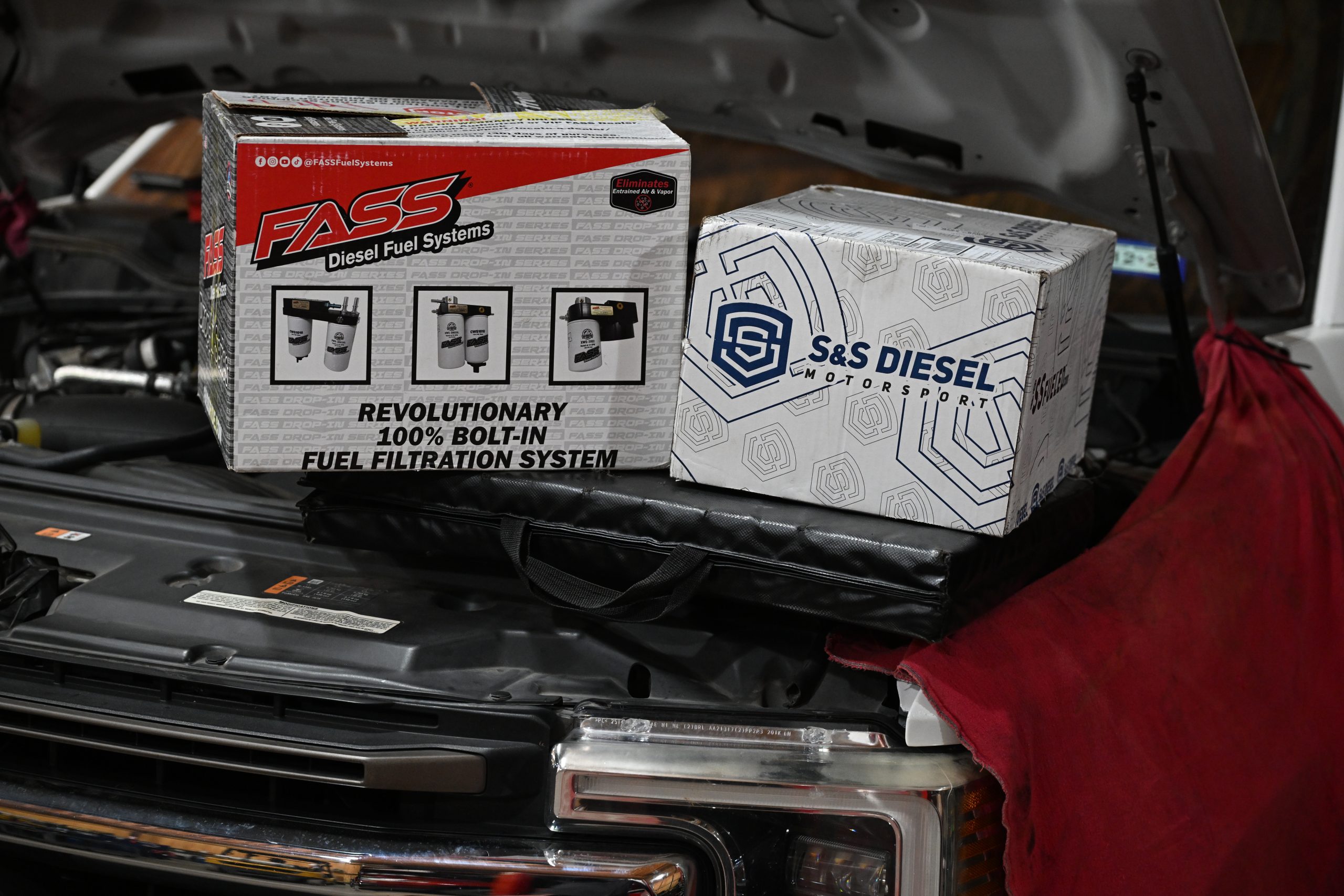
We strongly believe in maintaining these trucks with quality fuel filters and proper service intervals, while paying attention to signs of water or contamination within the system.
For customers concerned about the factory CP4, there are also aftermarket solutions available that can provide additional protection or replace the factory pump design altogether.
2. Depending on the truck and customer’s goals, we can discuss CP4 protection and alternative high pressure fuel-pump options, including conversion systems designed specifically for the 6.7 Powerstroke.
CP4 to DCR Fuel Pump Conversions
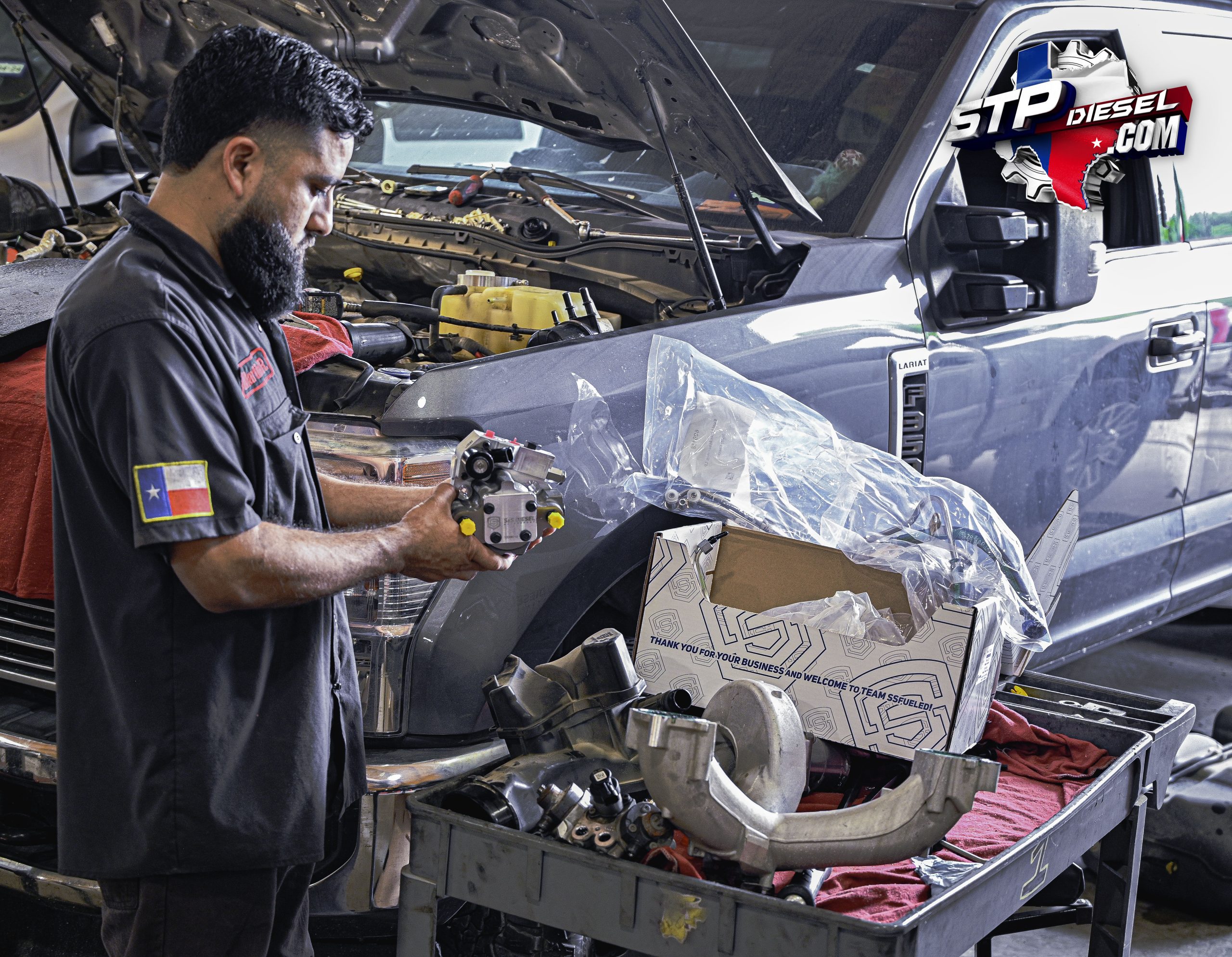
One increasingly popular option for 6.7 Powerstroke owners is replacing the factory CP4 with an aftermarket DCR high-pressure fuel pump conversion.
The purpose of these systems is to eliminate the factory CP4 pump and replace it with an alternative high pressure pump design while maintaining the common-rail injection system.
For owners planning to keep their trucks long-term—or customers who simply want additional peace of mind regarding the factory CP4—this can be an upgrade worth considering.
At Southern Truck Pros, we can help determine whether a DCR conversion or other fuel-system upgrade makes sense for your particular truck and application.
Early 6.7 Powerstroke Turbocharger Concerns
The early 2011–2014 6.7 Powerstroke trucks used a unique turbocharger configuration that helped provide quick response but developed a reputation for limitations and failures, especially as trucks were modified or operated under demanding conditions.
Ford made a significant change beginning with the 2015 model year, moving to an updated turbocharger design.
The later turbo setup proved to be a major improvement and helped make the newer 6.7 Powerstroke trucks even better performers.
Later-model 6.7s offer excellent turbo response, strong airflow, impressive towing performance, and great power potential.
For earlier trucks, turbocharger upgrades and later-style conversion options can also completely change how the truck performs.
6.7 Powerstroke VGT Turbo System
Like the 6.0 Powerstroke before it, the 6.7 uses Variable Geometry Turbocharger technology.
The VGT system allows the engine management system to adjust turbocharger operation based on engine speed, load, boost demand, exhaust conditions, and numerous sensor inputs.
This gives the 6.7 excellent response across a wide operating range.
However, proper turbocharger operation still depends on the entire system working correctly. 3
Boost leaks, exhaust leaks, sensor problems, actuator concerns, sticking vanes, damaged turbochargers, intake restrictions, and emissions-system issues can all affect performance.
That’s why proper diagnostics should always come before turbo replacement. The Introduction of DEF
The 6.7 Powerstroke also introduced Ford Super Duty owners to another major change: Diesel Exhaust Fluid, or DEF.
The 6.7 uses Selective Catalytic Reduction (SCR) as part of its emissions-control strategy. DEF is injected into the exhaust stream to help reduce nitrogen oxide emissions.
The complete emissions system works together with components including the DPF, SCR catalyst, DEF system, NOx sensors, temperature sensors, EGR system, and engine-management system.
When everything is functioning correctly, these systems operate largely in the background. When something isn’t working correctly, however, proper diagnostics become extremely important.
A DEF or emissions warning doesn’t automatically mean the DEF pump has failed. Sensors, injectors, heaters, wiring, catalysts, exhaust leaks, contamination, and other components can produce similar symptoms.
Testing the system before replacing parts can save a tremendous amount of money. 6.7 Powerstroke Diagnostics
The 6.7 is an advanced diesel platform, and modern diesel diagnostics require more than simply reading fault codes.
Depending on the concern, our diagnostic process may include evaluating:
- Low-pressure fuel supply
- High-pressure fuel operation
- Desired versus actual fuel-rail pressure
- CP4 high-pressure pump operation
- Fuel-system contamination
- Injector operation and contribution
- Turbocharger and VGT operation
- Boost and exhaust pressure
- Intake and charge-air leaks
- EGR operation
- DPF operation and
- regeneration DEF and
- SCR operation
- NOx sensor performance
- Engine oil and cooling-system operation
- Electrical and sensor data
- Compression and base engine condition
Our focus is always the same:
Find the cause of the problem before recommending the repair.
6.7 Powerstroke Maintenance & Reliability
Despite the complexity of a modern diesel engine, the 6.7 Powerstroke has proven itself to be an extremely capable platform.
Proper maintenance remains one of the biggest factors in keeping one that way.
Quality engine oil and filters, regular fuel-filter replacement, proper cooling-system maintenance, clean fuel, transmission service, and addressing small problems before they become major failures can go a long way toward keeping these trucks dependable.
And because many 6.7 trucks are used for towing, commercial work, fleets, and heavy-duty applications, maintenance should be based on how the truck is actually being used, not simply mileage.
6.7 Powerstroke Performance Upgrades
One of our favorite characteristics of the 6.7 Powerstroke is its performance potential.
These trucks already make impressive power from the factory, but the platform has tremendous aftermarket support for customers looking for even more.
Depending on the customer’s goals and application, upgrades can include:
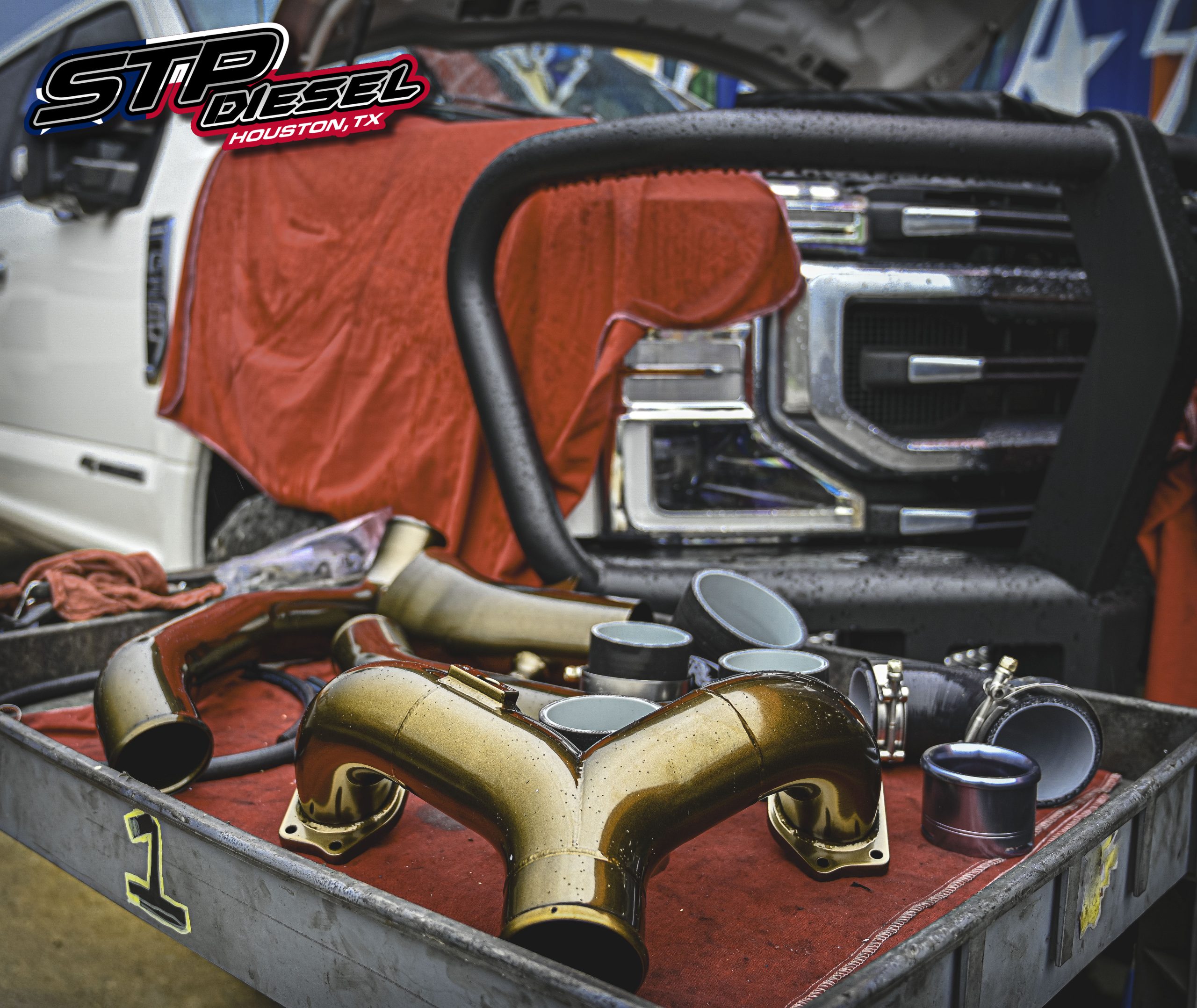
- Upgraded turbochargers High-flow intercoolers
- Charge-air piping
- Cold-air intake systems
- Intake manifold upgrades
- Fuel-system upgrades
- DCR high-pressure pump conversions
- Upgraded fuel delivery
- Performance transmission upgrades
- Cooling-system upgrades
- Suspension and traction upgrades
- Monitoring systems
Additional supporting modifications
5.Whether you’re building a stronger tow rig or a performance-oriented street truck, the combination matters.
More power places additional demand on the fuel system, turbocharger, cooling system, transmission, and drivetrain.
We build around the complete truck—not simply a horsepower number.
From Tow Rig to Serious Performance Truck
The 6.7 Powerstroke is unique because it can perform extremely well in so many different roles.
A properly equipped truck can be a comfortable daily driver during the week, tow significant weight when needed, and still deliver impressive performance when you put your foot down.
For customers wanting more, these engines can be transformed into seriously powerful trucks with the correct supporting modifications.
Turbocharger selection, fuel supply, high-pressure fuel capability, airflow, cooling, transmission capability, and the intended use of the truck all need to work together.
Power is easy to chase. Building the right combination takes experience.
One of Ford’s Best Powerstroke Platforms
Every Powerstroke generation has its strengths and weaknesses.
The 6.7 is no exception.
The CP4 fuel system deserves attention. Early turbocharger designs had weaknesses. Modern emissions systems add complexity. And as these trucks accumulate mileage, proper diagnostics and preventative maintenance become increasingly important.
But when you look at the complete package, the 6.7 Powerstroke has proven itself to be one of Ford’s best diesel platforms.
It delivers excellent power, drivability, towing capability, refinement, and enormous performance potential— and Ford has continued improving the platform throughout its production.
At Southern Truck Pros, we understand these trucks from factory diagnostics and maintenance to complete performance builds.
Whether you need 6.7 Powerstroke diagnostics, CP4 fuel-system repair, DCR conversion, turbocharger replacement or upgrades, DEF and emissions diagnostics, engine repairs, oil-leak repairs,
6.maintenance, cooling upgrades, or performance modifications, we have the experience to help you get the most out of your truck.
Maintain it correctly. Diagnose it correctly. Upgrade it correctly. Then experience what the 6.7 Powerstroke is capable of.