When deciding between a diesel and a gas truck, you’re weighing more than just the cost at the pump. Diesel engines offer you greater torque and better fuel economy, which is essential if you plan regular towing or long-haul trips.
However, they also require a heftier upfront investment and potentially higher maintenance costs. On the other hand, gas trucks are generally cheaper to buy and maintain, with a smoother initial driving experience.
Still, they’ll hit your wallet harder with frequent fill-ups and contribute more to environmental pollution.
As you consider which truck aligns with your priorities, it’s important to consider your choice’s long-term implications. What will your decision mean for your future costs and the health of our planet?
Understanding Diesel Trucks
Diesel trucks are known for their power, durability, and fuel efficiency. They run on diesel fuel, which is different from the gasoline used in gas trucks.
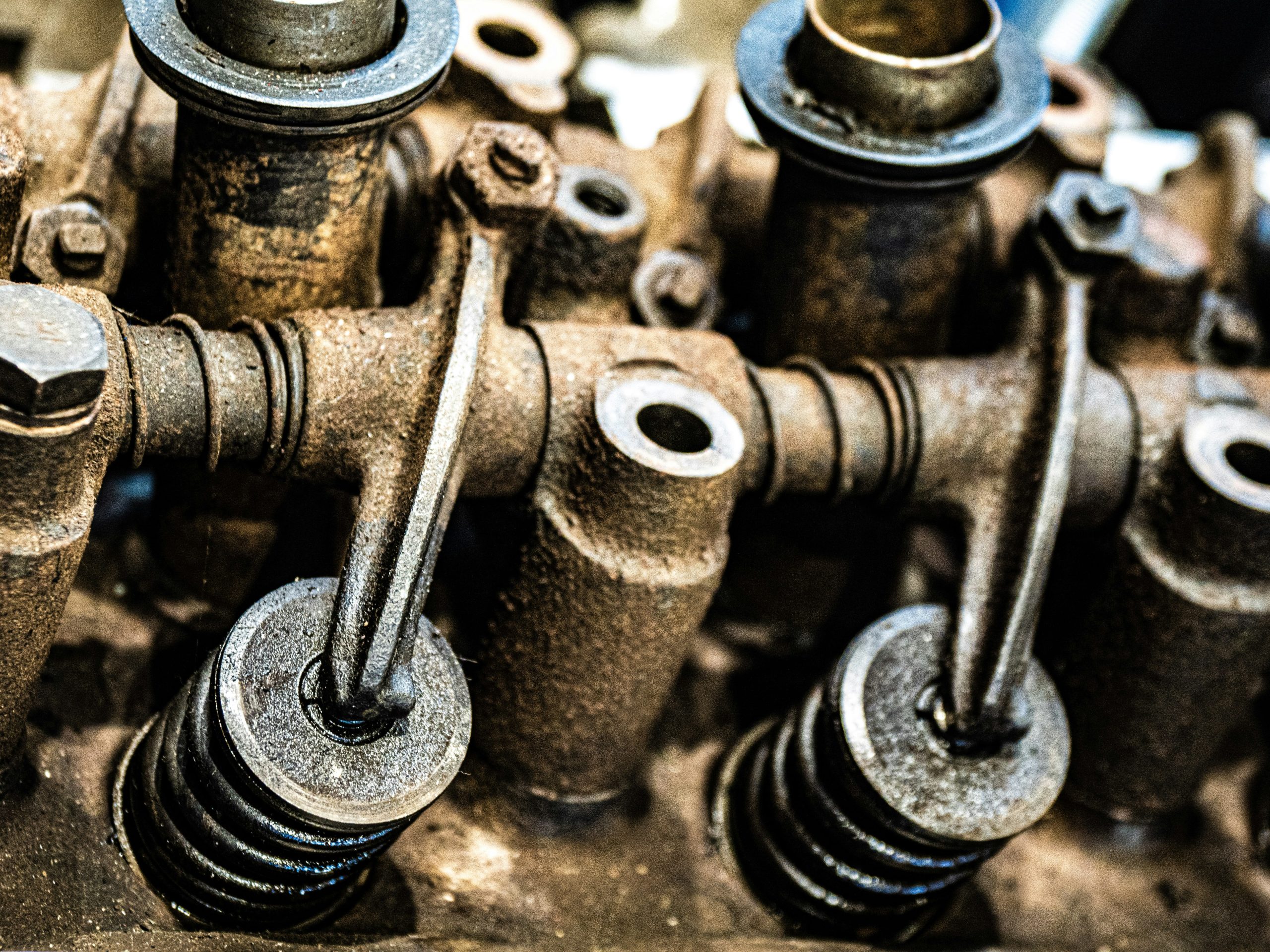
Diesel engines operate differently than gas engines, using a compression-ignition system rather than spark plugs.
Advantages of Diesel Trucks
- Fuel Efficiency: Diesel engines are generally more fuel-efficient than gas engines, especially for long-distance driving. Diesel fuel contains more energy than gasoline, allowing diesel trucks to travel further on a single tank of fuel. This can be particularly advantageous for those who drive long distances frequently.
- Torque: Diesel trucks offer higher torque, which makes them great for towing heavy loads. Torque is the twisting force that helps your truck move from a standstill and is crucial for tasks like towing trailers or carrying heavy equipment. Diesel engines produce more torque at lower RPMs, providing better performance for heavy-duty applications.
- Longevity: Diesel engines often last longer than gas engines if properly maintained. They are built to withstand the higher compression ratios required for diesel combustion, leading to more robust and durable engine components. Many diesel trucks can reach high mileage with fewer major repairs, making them a long-term investment.
Disadvantages of Diesel Trucks
- Higher Initial Cost: Diesel trucks are usually more expensive to buy upfront compared to gas trucks. The advanced technology and stronger components used in diesel engines contribute to the higher purchase price. This can be a significant factor for buyers on a tight budget.
- Maintenance Costs: While they may last longer, diesel engines can be more costly to repair and maintain. Diesel engines have complex systems that require specialized knowledge and tools for proper servicing. Additionally, diesel parts and labor can be more expensive, leading to higher overall maintenance costs.
- Fuel Availability: Diesel fuel isn’t as widely available as gasoline in some areas. While most urban and suburban areas have stations that offer diesel, rural or remote locations might have fewer options. This can be inconvenient if you travel to areas where diesel fuel is scarce.
Understanding Gas Trucks
Gas trucks run on gasoline, which is readily available at almost every gas station. Gas engines use a spark-ignition system, which is simpler than the compression-ignition system used in diesel engines.
Advantages of Gas Trucks
- Lower Initial Cost: Gas trucks are generally cheaper to buy than diesel trucks. The simpler design and widespread production of gas engines contribute to their lower purchase price, making them more accessible to a broader range of buyers.
- Easier Maintenance: Gas engines are simpler and cheaper to repair and maintain. They have fewer specialized components and systems, leading to more straightforward and less costly maintenance. Many mechanics are familiar with gas engines, reducing the need for specialized services.
- Fuel Availability: Gasoline is more widely available, making it easier to find fuel when needed. Almost every gas station offers gasoline, ensuring that you can refuel your truck wherever you are. This convenience can be a significant advantage for daily driving and long trips.
Disadvantages of Gas Trucks
- Lower Fuel Efficiency: Gas engines are typically less fuel-efficient than diesel engines, especially for long trips. Gasoline burns faster and contains less energy per gallon than diesel fuel, leading to more frequent refueling and higher overall fuel costs for long-distance driving.
- Less Torque: Gas trucks usually have less torque, which can be a downside if you need to tow heavy loads. While gas engines can still provide adequate power for most everyday tasks, they may struggle with heavier trailers or equipment, reducing their effectiveness for heavy-duty applications.
- Shorter Lifespan: Gas engines often have a shorter lifespan compared to diesel engines. They are built with lighter components and operate at higher RPMs, leading to more wear and tear over time. While gas engines can still provide reliable service, they may require more frequent repairs and replacements.
Comparing Diesel vs Gas Trucks
Fuel Efficiency
Diesel trucks generally get better fuel economy, especially on the highway. This is due to the higher energy content of diesel fuel and the efficiency of diesel engines at maintaining consistent speeds. If you plan on driving long distances frequently, a diesel truck might save you money on fuel in the long run.
Power and Performance
Diesel trucks are known for their superior torque, making them ideal for towing and hauling heavy loads. The high torque output at low RPMs provides excellent pulling power, which is essential for tasks like towing trailers, boats, or heavy equipment. Gas trucks, while still powerful, usually can’t match the torque of a diesel engine, which can limit their effectiveness for heavy-duty applications.
Maintenance and Longevity
While diesel engines can last longer, they often require more expensive maintenance and repairs. The complex systems in diesel engines, such as turbochargers and high-pressure fuel injection, need regular attention to stay in optimal condition.
Gas engines, on the other hand, are easier and cheaper to maintain but might not last as long as diesel engines. Regular maintenance for gas engines is more straightforward and less costly, making them a practical choice for those looking to minimize upkeep expenses.
Cost and Availability
Gas trucks are typically cheaper to buy and easier to fuel up due to the wide availability of gasoline. The lower initial purchase price makes gas trucks more accessible to a wider range of buyers.
Diesel trucks, on the other hand, come with a higher upfront cost and may require more effort to find diesel fuel, particularly in rural or remote areas. The higher initial investment in a diesel truck can be offset by the potential for better fuel efficiency and longer lifespan, but this depends on your specific driving needs and habits.
Making the Right Choice
When deciding between a diesel and a gas truck, consider the following factors:
- Driving Distance: If you drive long distances frequently, a diesel truck’s fuel efficiency might be beneficial. The savings on fuel costs over time can offset the higher initial purchase price and maintenance costs.
- Towing Needs: For heavy towing, a diesel truck’s higher torque is a major advantage. If you regularly tow trailers, boats, or heavy equipment, the superior pulling power of a diesel engine can provide better performance and reliability.
- Budget: Consider both the initial purchase price and long-term maintenance costs. If you have a limited budget, a gas truck’s lower upfront cost and simpler maintenance might be more appealing. However, if you’re willing to invest in a more expensive vehicle for potential long-term savings, a diesel truck could be a better option.
- Fuel Availability: Think about the availability of diesel fuel in your area. If you live in or frequently travel to areas where diesel fuel is scarce, a gas truck might be more convenient. However, if diesel fuel is readily available, this factor may not be as significant.
Conclusion
Choosing between a diesel and gas truck depends on your specific needs and preferences. Diesel trucks offer better fuel efficiency and more power for towing but come with higher costs and potentially more complex maintenance.
Gas trucks are cheaper and easier to maintain but may not last as long or provide the same level of performance for heavy-duty tasks.
By weighing the pros and cons of each option, you can make the best choice for your situation and ensure that your truck meets your needs for years to come.