Diesel engines are tough, but even they can have problems like oil leaks. These leaks might look small at first, but over time, they can damage your engine, make a mess in your driveway, and even cause your car to burn more fuel.
The good news? Many oil leaks are simple to fix—no need for expensive repairs or a trip to the mechanic right away.
In this guide, we’ll explore why oil leaks happen, how to find them, and how to fix them quickly—all using easy words and steps anyone can follow.
Why Oil Leaks Happen in Diesel Engines
Understanding the cause of the oil leak is the first step. Here are the most common reasons diesel engines leak oil:
- Worn gaskets and seals: These are rubber or metal parts that keep oil sealed inside. Over time, they get brittle or crack.
- Loose oil filter: If the filter isn’t tightened enough, oil can seep out around it.
- Damaged oil pan: Rocks or road debris can dent or crack the oil pan underneath the engine.
- Old valve cover gasket: This gasket sits at the top of your engine. If it gets old or cracked, oil can leak down the engine sides.
- Too much engine pressure: A blocked crankcase ventilation system can trap pressure inside the engine, forcing oil out.
How to Spot an Oil Leak
Before fixing anything, you need to be sure there’s actually an oil leak. Here’s how to check:
- Look under your car: Do you see dark, greasy spots on the ground where you park?
- Check the oil level: If the oil level is dropping faster than usual, it might be leaking out.
- Smell burning oil: If oil drips onto hot engine parts, it will burn and release a strong, unpleasant smell.
- See smoke from the exhaust: Blue smoke means oil may be burning inside the engine.
If you notice any of these signs, there’s a good chance oil is leaking from somewhere.
Quick Fix #1: Tighten the Oil Filter
A loose oil filter is one of the easiest problems to fix. Here’s what to do:
- Turn off your engine and wait for it to cool down.
- Locate the oil filter. It looks like a round metal canister, usually on the side of the engine.
- Use your hand or a filter wrench to gently tighten it.
- Clean off any oil around the filter.
- Start the engine and let it run for a few minutes. Then check again for leaks.
Tip: Don’t overtighten the filter—just make it snug. Too much force can damage the seal.
Quick Fix #2: Use an Oil Stop Leak Additive
Oil stop leak additives are a fast, easy way to fix small leaks. These additives help rubber seals and gaskets swell slightly to close tiny gaps. Here’s how to use one:
- Buy a stop leak product that’s safe for diesel engines (check the label).
- Open your hood and remove the oil cap.
- Pour the additive directly into the engine where you add oil.
- Replace the cap and run the engine for about 15–30 minutes.
After a few drives, check the area again to see if the leak has slowed or stopped.
Note: This is a temporary fix. It works great for small leaks, but big leaks will still need real repairs.
Quick Fix #3: Replace the Oil Drain Plug Gasket
If you see oil dripping from the bottom of your engine, the drain plug gasket might be the problem. It’s a small rubber or metal ring that seals the oil drain plug. To replace it:
- Put on gloves and place a pan under the oil pan to catch oil.
- Use a wrench to unscrew the oil drain plug.
- Remove the old gasket and replace it with a new one.
- Screw the drain plug back in tightly.
- If you lost a lot of oil, top it off before starting the engine.
These gaskets are cheap and easy to find at auto parts stores.
Quick Fix #4: Clean and Reseal the Valve Cover Gasket
The valve cover sits on top of your engine. It keeps oil from spilling out while the engine runs. If the gasket underneath it fails, oil leaks down the engine block. Here’s how to fix it:
- Let the engine cool completely.
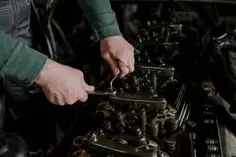
- Use a wrench to remove the bolts holding the valve cover.
- Take off the cover and carefully remove the old gasket.
- Clean both the cover and engine surface with a rag and some gasket remover.
- Put on a new gasket or apply gasket sealant.
- Reinstall the cover and tighten the bolts evenly.
This job may take a little time, but it’s one of the most common DIY fixes for oil leaks.
Quick Fix #5: Use High-Mileage Diesel Oil
Older engines have seals that shrink and harden with age. High-mileage oils have special additives that help condition those seals. To switch:
- Drain the old oil completely.
- Replace the oil filter.
- Fill the engine with high-mileage diesel oil (check your owner’s manual for the correct type and amount).
- Drive normally and keep an eye on oil levels over the next few days.
This fix is simple and can make a big difference in older diesel engines.
Quick Fix #6: Fix Crankcase Pressure
The crankcase needs to “breathe” to release pressure that builds up during engine use. If the PCV (Positive Crankcase Ventilation) valve is clogged, pressure pushes oil out through seals. Here’s how to deal with it:
- Find the PCV valve (usually on or near the valve cover).
- Remove it and check for clogs or dirt.
- Clean it with carb cleaner or replace it if it’s damaged.
- Check breather hoses and make sure they’re not blocked or cracked.
Keeping the system clean helps your engine run better and stops pressure-related leaks.
When You Should See a Mechanic
These quick fixes work for mild to moderate leaks. But if you notice any of the following signs, it’s best to go to a professional:
- Oil is leaking fast and heavily.
- The “Check Engine” light comes on.
- You notice oil mixed in with your coolant.
- Smoke or strong smells continue after you fix the leak.
- The engine feels rough or noisy.
Trying to fix major engine leaks without proper tools or experience can make things worse.
How to Prevent Future Oil Leaks
The best way to avoid leaks is to keep your engine healthy. Here’s how:
- Change your oil on schedule using the right type.
- Check oil levels regularly (once a week is a good habit).
- Use high-quality gaskets, seals, and filters.
- Keep the engine clean so leaks are easier to spot.
- Inspect hoses, caps, and seals during every oil change.
Final Thoughts
Oil leaks in diesel engines don’t always mean expensive repairs. With basic tools and a little time, you can handle many small leaks yourself.
Try simple fixes like tightening the filter, replacing a gasket, or adding a stop leak product. Just be sure to act quickly—waiting too long can turn a cheap fix into a big problem.
Keep your engine clean, change the oil on time, and don’t ignore warning signs. A little care now can save you money and headaches down the road.