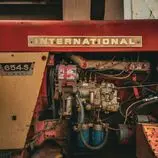
Houston doesn’t have the kind of extreme cold weather that many other places in the US do. However, that doesn’t mean it can’t get cold here! When temperatures drop, it’s important that you know how to take care of your diesel truck in the cooler weather. The maintenance you do affects your car’s safety, driveability, and fuel efficiency through the winter. So, what should you know about diesel truck winter maintenance, and how can you prepare for the coming months?
Diesel Truck Winter Maintenance: Preparing Ahead
Long before winter sets in, you’ll want to make sure you get ready for it. That means giving your truck the extra protection it needs for cold and ice.
When it comes to diesel vehicles, the needs are different from most cars. Diesel trucks have unique needs and challenges for winterization, which is why it’s important to know these things ahead of time.
Why Do Diesel Engines Need Special Care?
So, how is diesel truck winter maintenance any different from other cars? Cold temperatures and wintery roads wreak havoc on any car. But diesel trucks are particularly prone to struggling in the winter.
They might have issues with the battery dying, damaged tires, expanding coolant, or bad starts. Fuel efficiency can also take a hit. While some of these don’t lead to long-term damage, others can affect vital internal parts such as the engine.
Prepping For Winter: Fluid Levels
It’s always a good idea to top off your fluids before winter sets in. But there is a special reason for this when it comes to diesel trucks.
These fluids are essential to helping your vehicle work efficiently and without overheating. But in diesel trucks, the fluids are much more prone to congealing in cold weather. That can be a serious problem for several reasons.
Firstly, it can wreck your fuel efficiency. If your fuel lines are getting clogged with thicker fuel—or even worse, ice crystals—it means that diesel can’t move through your vehicle as efficiently. That means your truck will be using more fuel to perform even basic tasks.
Secondly, it can affect how well your truck starts. Engine oil can get thicker and clumpier when it gets cold. That leads to bad starting since the engine isn’t lubricated the way it needs to be.
There’s one consideration that is particularly serious: coolant. In cold temperatures, the coolant expands. This can result in damage to your engine if the coolant expands too much and cracks the engine block.
So, what can you do?
Before the temperature drops, you’ll want to make sure you have the appropriate types and amount of fluid. Make sure your truck doesn’t have too much coolant to reduce the risk of overexpansion.
As you prepare, make sure you also have clean, clear fuel filters. This will reduce the risk of clogs and improve fuel efficiency. As you replace your engine oil, use a cold-weather blend with a lower viscosity. That means that it’s much less likely to congeal in the cold.
Throughout the winter, consider using winter blend diesel or a blend of 1 and 2. This makes it less likely to clog your filters.
Diesel Truck Winter Maintenance: Keeping It Warm
Cold temperatures make it a pain to get your truck started. The culprit is often the glow plugs, which can’t catch a spark when they get too cold. Don’t worry! There’s a simple fix. Just let your truck warm up for a while before trying to start it.
Yes, that means using more fuel and taking more time, but it’s all a part of having a diesel truck.
Keeping Your Truck Safe This Winter
Diesel trucks are tough. But when it comes to diesel truck winter maintenance, things require more care and patience. Contact STP Diesel at +1 832-925-8508 to get your truck ready for winter!